開場Prelude
Opening
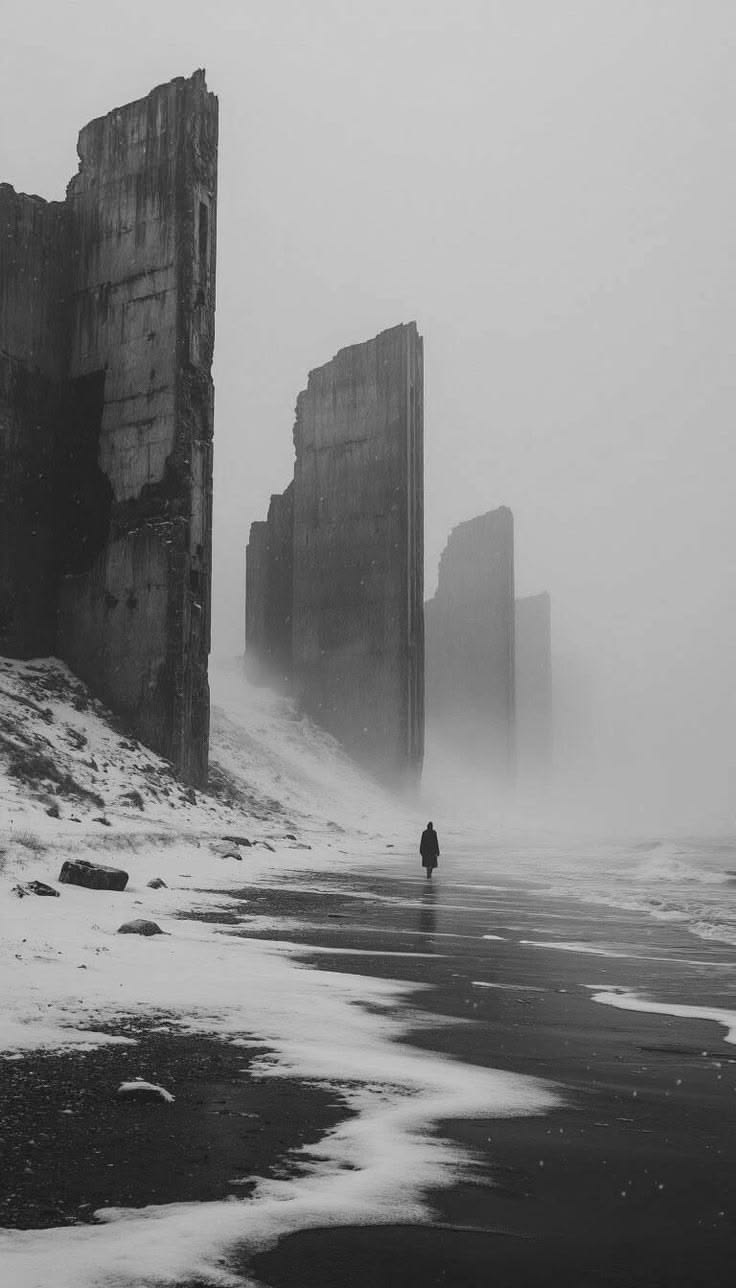
The Architecture of an Absent World
本章音樂Chapter music
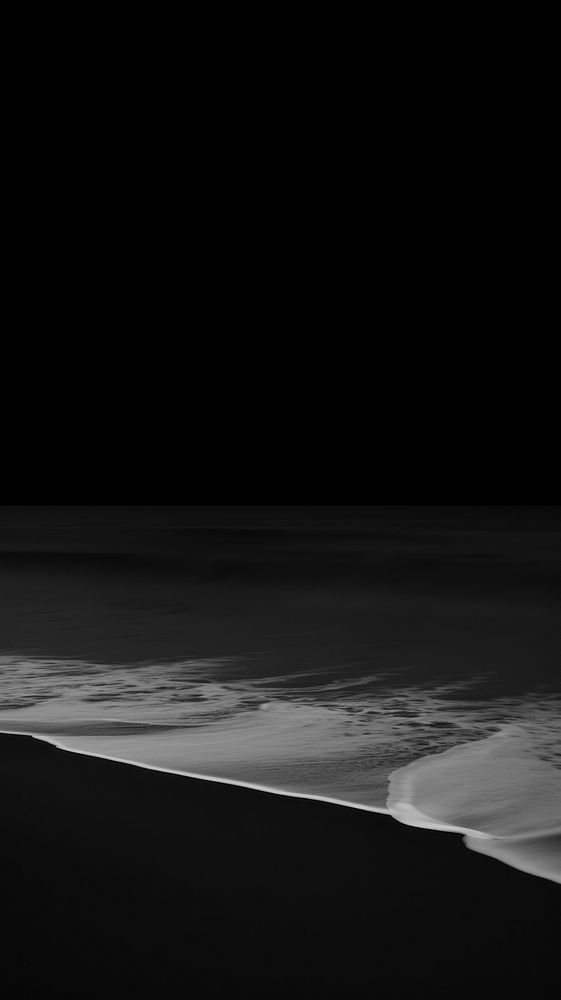
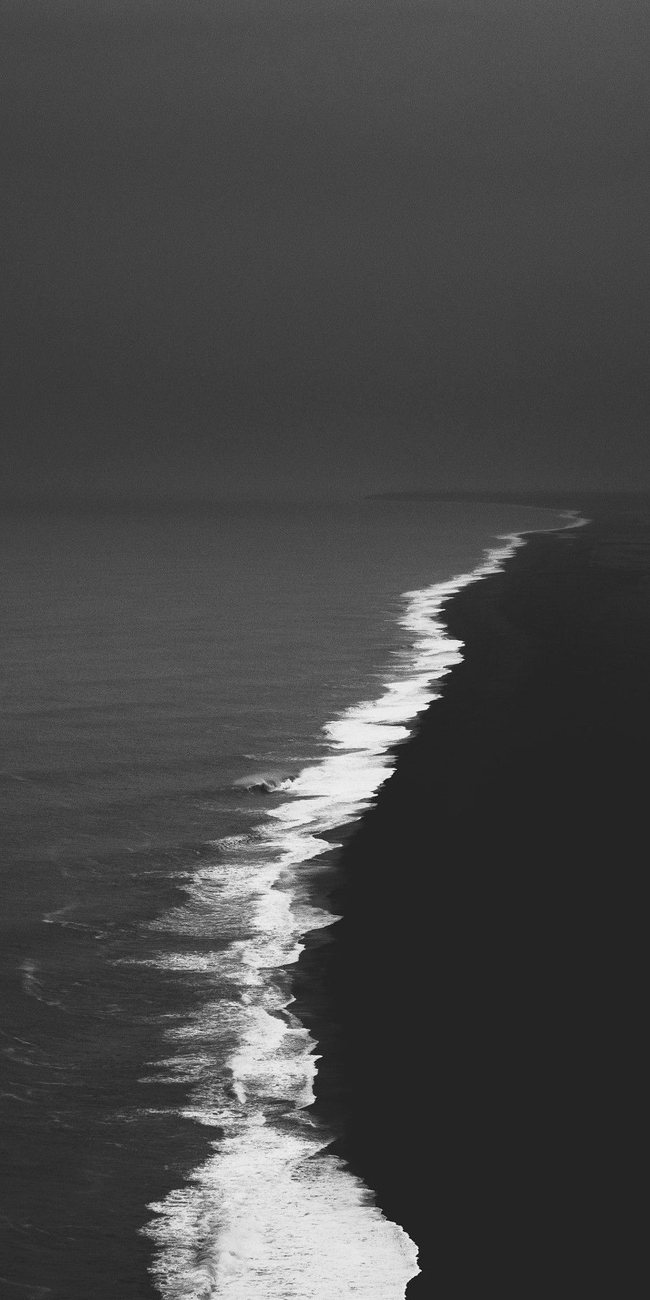
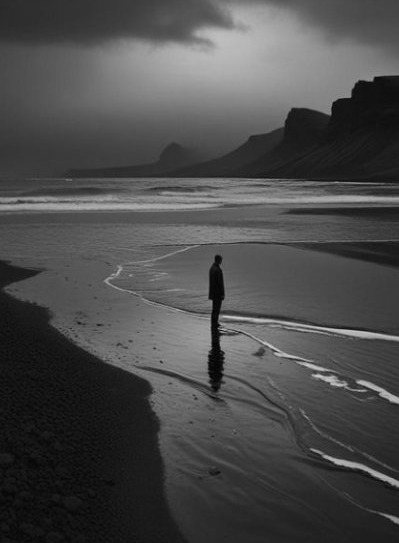
在黑暗中浮現的白色海岸線
整段體驗像一場奇怪的夢境慢慢打開,畫面帶著朦朧、迷離、像隔著一層紗幕的幻覺質感。觀眾戴上頭顯後,眼前一開始是一片漆黑的虛無。
過了一會兒,腳下慢慢出現白色質地、像粒子般細密的海浪,從側邊看不見的地方一波波打進來,落在腳邊,漸漸在黑暗裡描出一條發亮的海岸線。觀眾像置身在一片陰鬱無邊的黑海灘上。現場沒有任何文字提示,這條不斷往前延伸的白色浪花成了最初的方向,引導觀眾順著海岸邁開腳步。
A white shoreline emerging in the dark
The whole experience opens like a strange dream, hazy and hallucinatory as if seen through a thin veil. When the audience puts on the headset, there is nothing at first except pitch darkness.
Slowly, pale white wave-like particles begin rolling in from an unseen side to the audience’s feet. Wave by wave, the surf traces out a bright white shoreline across the dark ground. It feels like standing on a gloomy, endless black beach. There is no text or instruction. As that white surf line stretches further ahead, the audience follows it into the dark.
沿著殘破建築排出的道路走
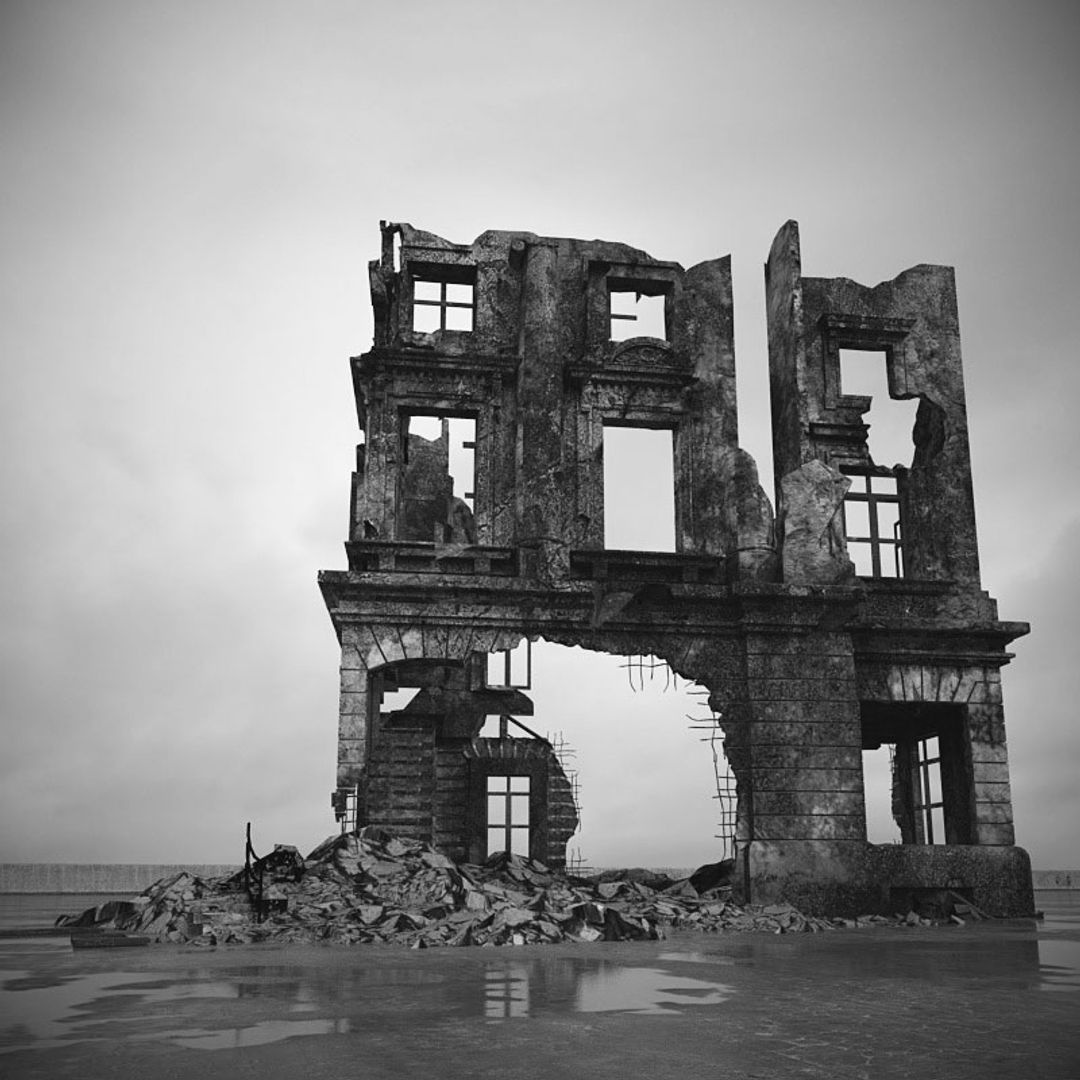
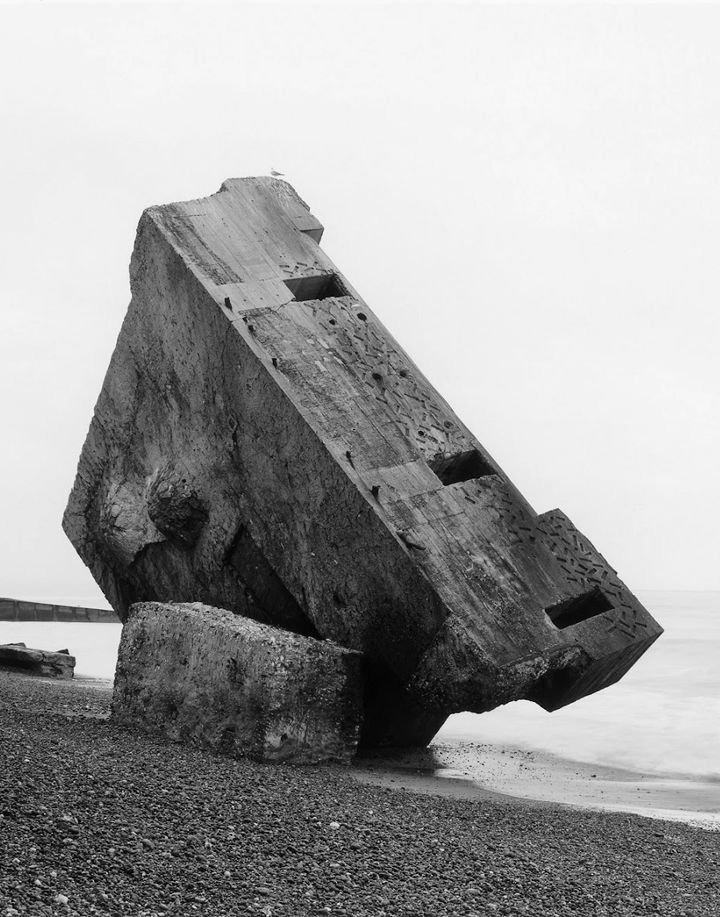
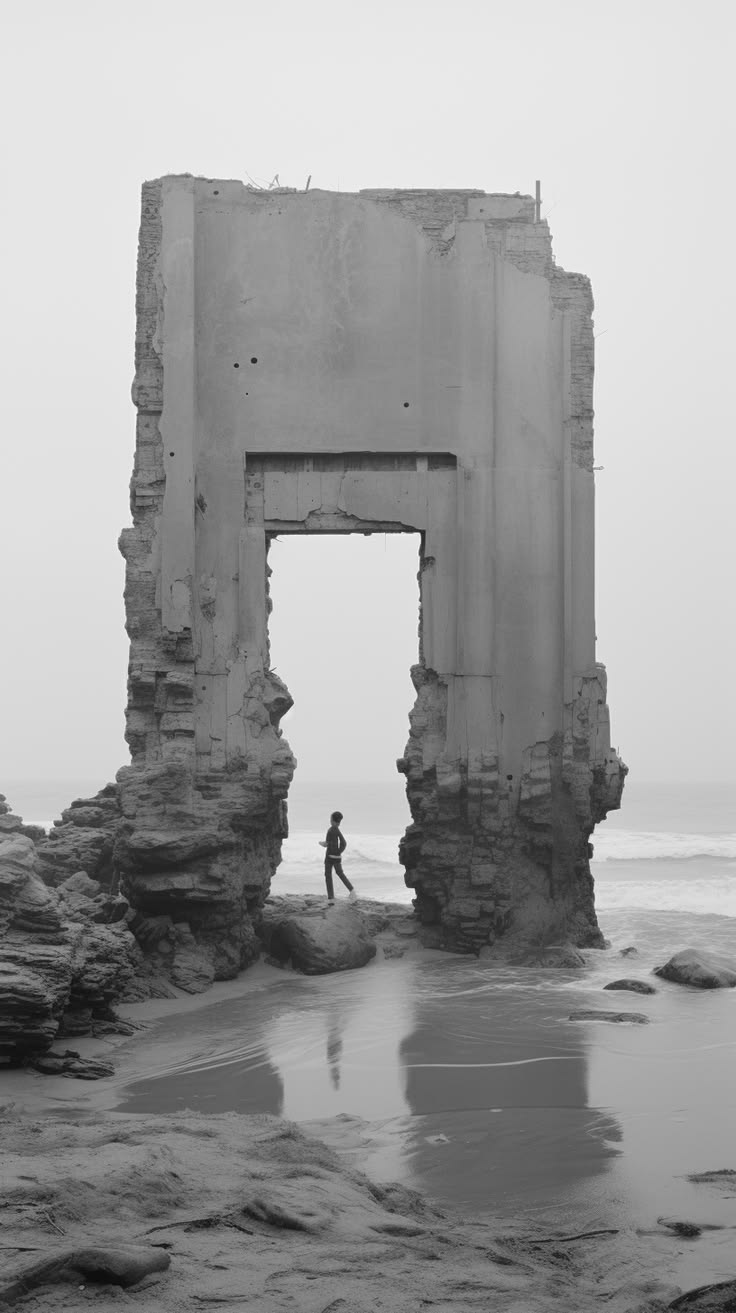
隨著白色海岸線一路往前延伸,前方朦朧的暗色裡開始浮出幾座隱約的殘破建築。它們在沙灘與淺水之間排成某種近乎整齊的形狀,像一條留出來指引前進的道路。
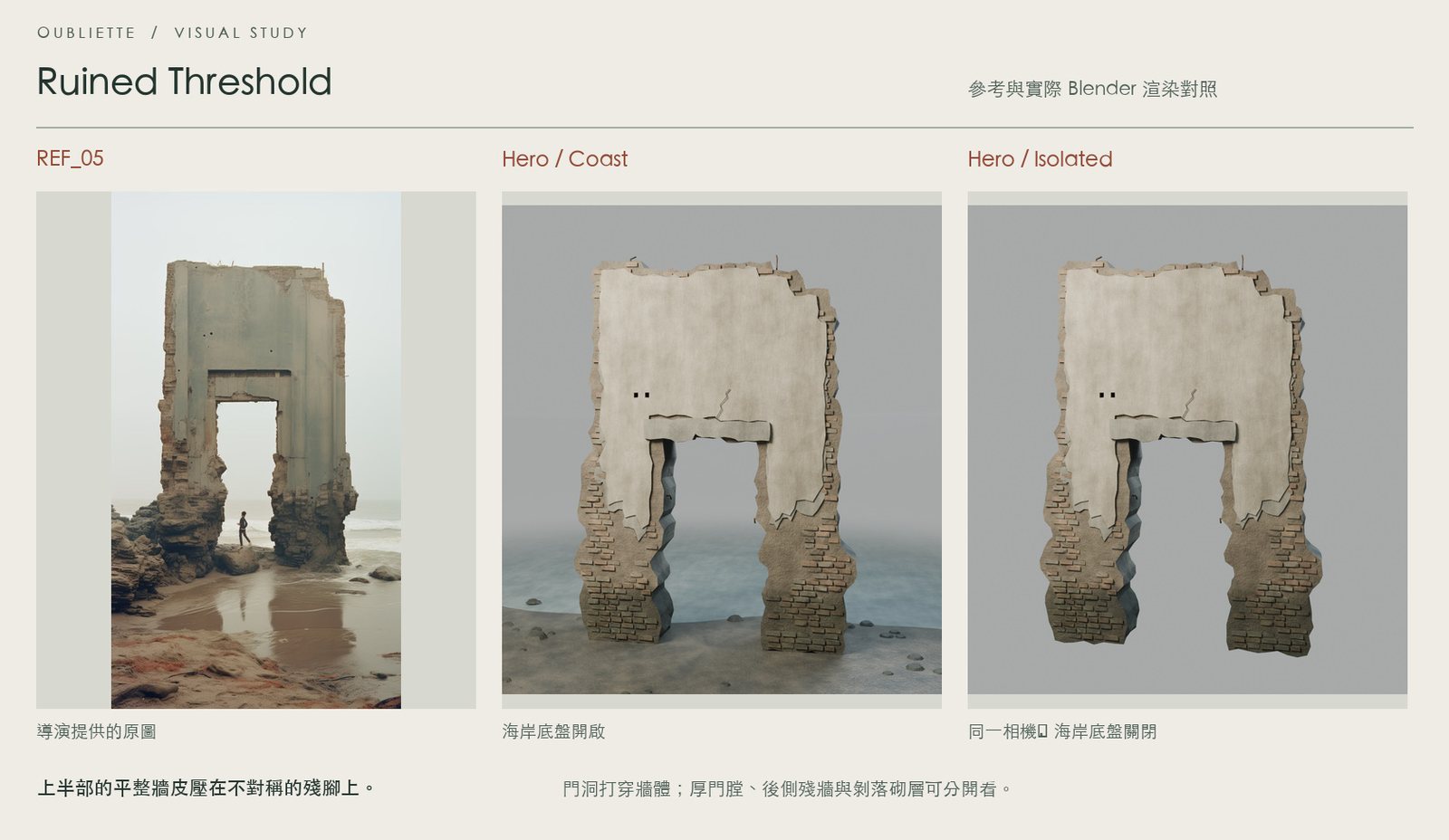
觀眾順著這排建築碎片組成的動線繼續往前,走近殘牆、空窗與厚重的石造結構。在某個時刻,觀眾會來到其中一棟殘破建築前,並穿過它那道破碎的門。
Following the aligned coastal ruins
As the white shoreline extends deeper into the haze, dim silhouettes of ruined buildings gradually appear ahead. Arranged in a strangely orderly line along the water’s edge, the broken structures form a clear path that invites the audience forward.
Following this trail of architectural fragments, the audience walks past crumbling walls, empty window frames, and heavy masonry. At one point along the path, they reach one of the ruined buildings and step straight through a broken doorway.
本段音樂Sequence music
失焦幻覺蒙太奇 · 雙重曝光與閃現片段Hallucinatory montage · Double exposure and flashing fragments
失焦與夢境蒙太奇
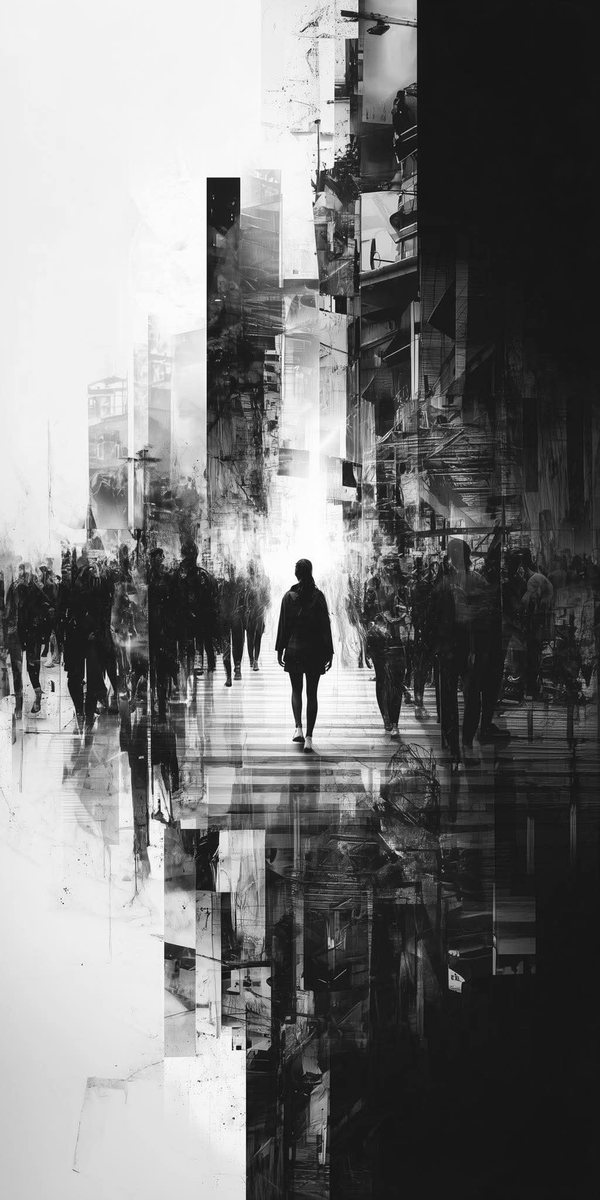
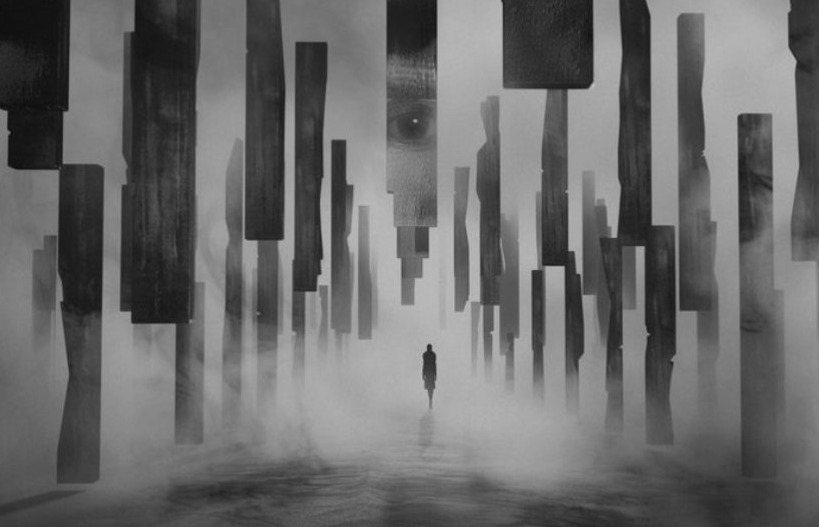
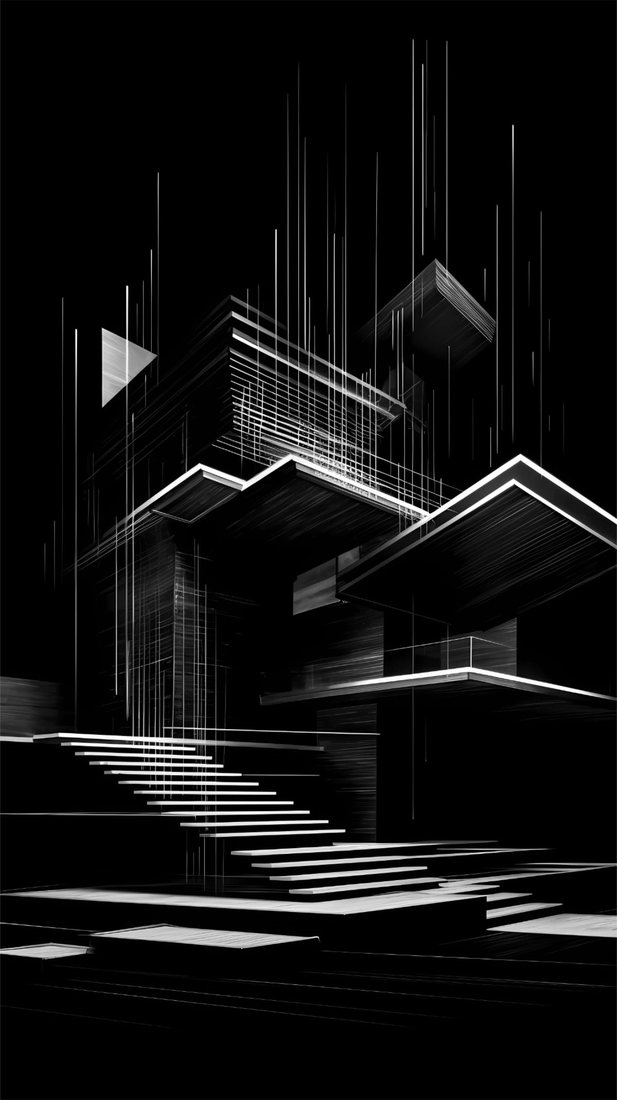
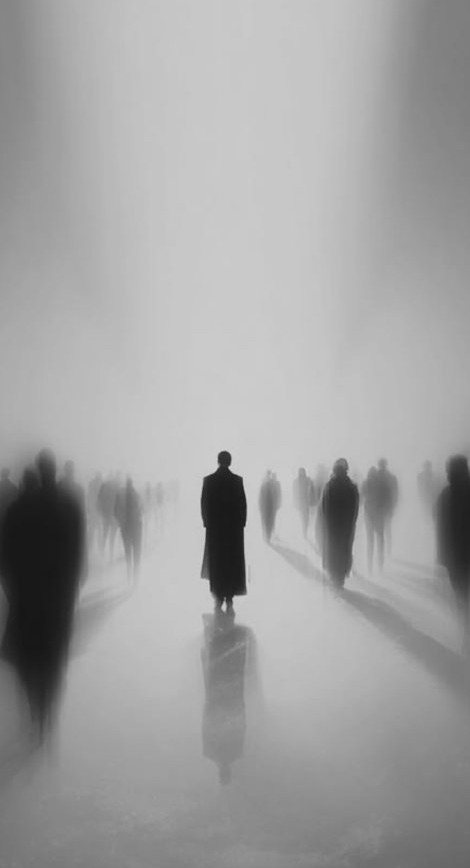
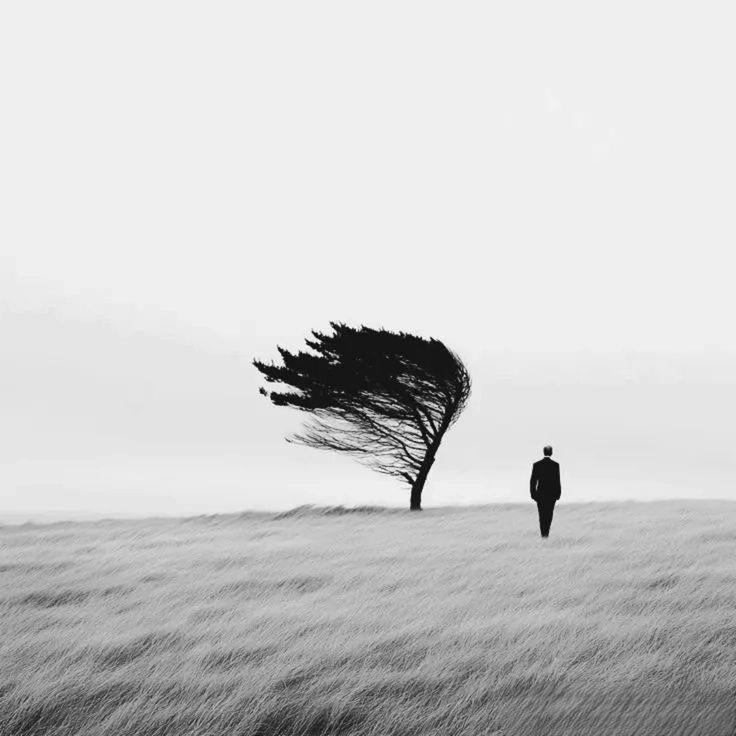
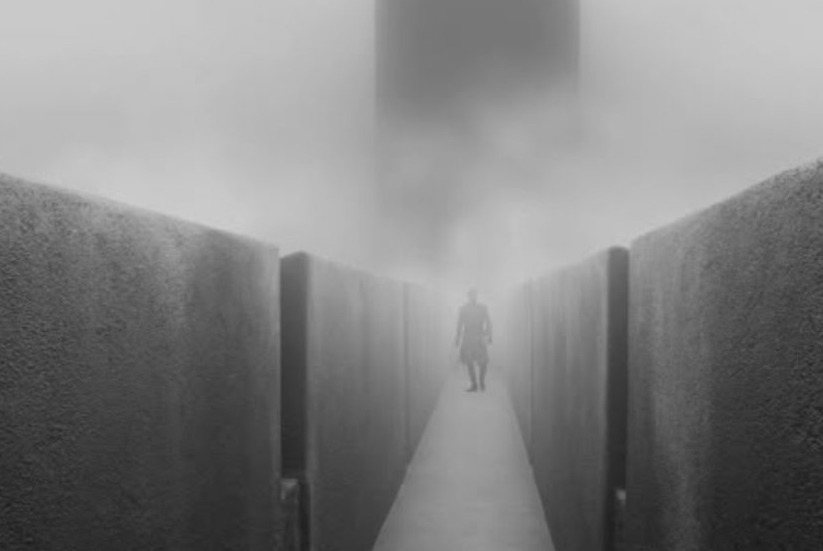
跨過那道破碎的門之後,視野突然失焦,隨即湧出一連串像海市蜃樓、又像攝影雙重曝光的幻覺片段。多重畫面在眼前模糊閃爍,快速交疊閃過。觀眾會瞥見層疊交錯的建築雙重曝光、成群快速閃現並朝某個方向走去的人影、一片空曠大草原與孤伶伶矗立的詭異孤樹,還有一道像極了觀眾自己的黑影,正獨自走進一座冰冷的建築物裡。
這陣密集而迷離的幻覺瞬間引起一陣暈眩與模糊。等觀眾回過神來、意識慢慢清醒時,海灘與所有閃現的畫面都消失了,空間已經徹底切換到第一章。
Defocus and dream montage
Just past that broken doorway, vision drops out of focus and breaks into a rapid, blurred montage of mirage-like hallucinations. Multiple double-exposed images flicker across the audience’s sight. Overlapping architectural forms, fast-flashing crowds walking in one direction, an open grassland with a lone bizarre wind-bent tree, and a dark figure resembling the audience walking alone into a cold building all flash past in hazy layers.
The sudden flurry of images triggers a wave of dizziness and blur. As consciousness slowly clears, the beach and every flashing fragment vanish, and the audience wakes straight into Chapter 1.
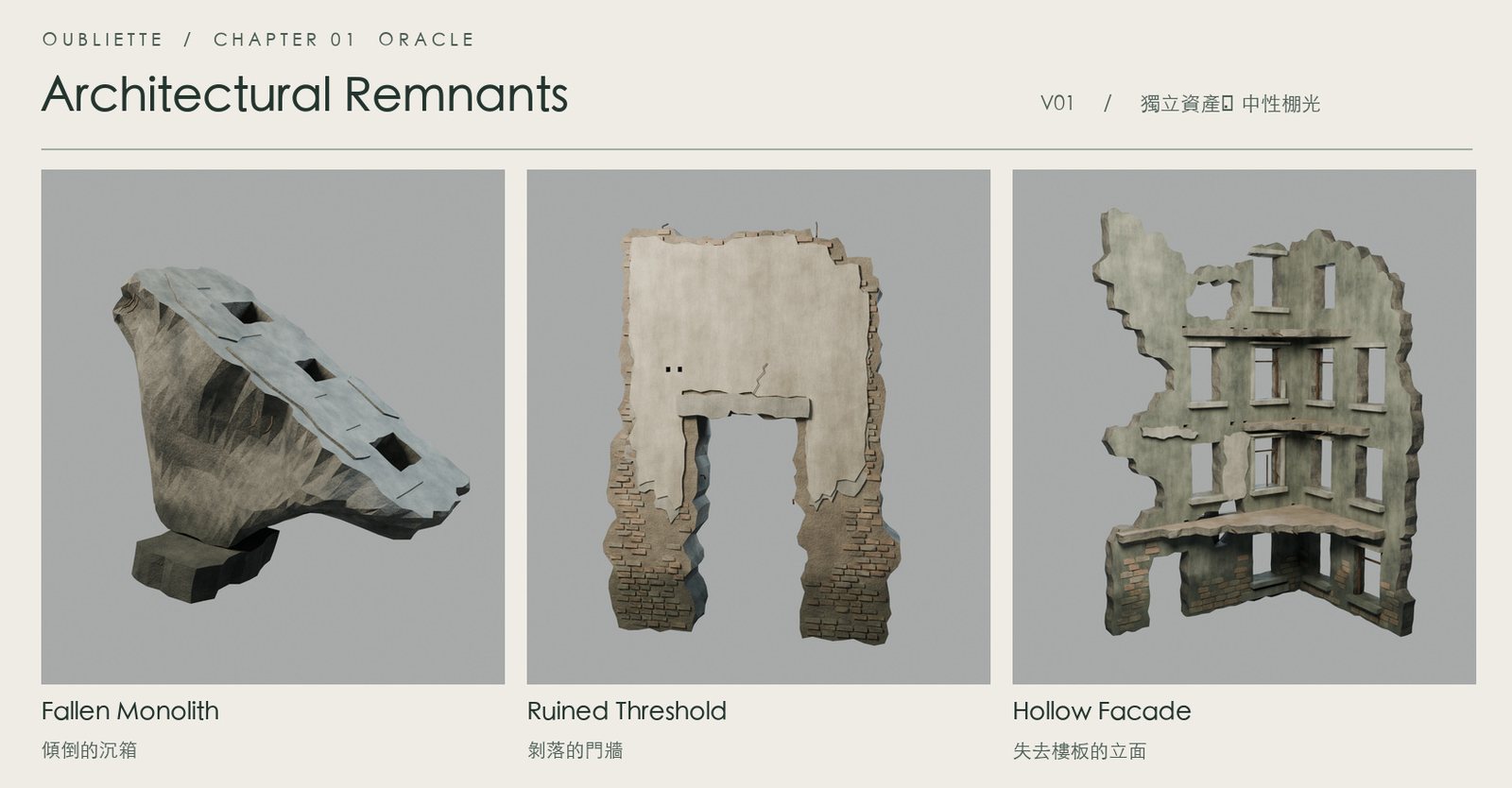
3D 建模與空間研究過程圖|Opening 殘構測試3D process study · Opening coastal remnants
Chapter 01
ORACLE
The Liminal Pressure
本章音樂Chapter music
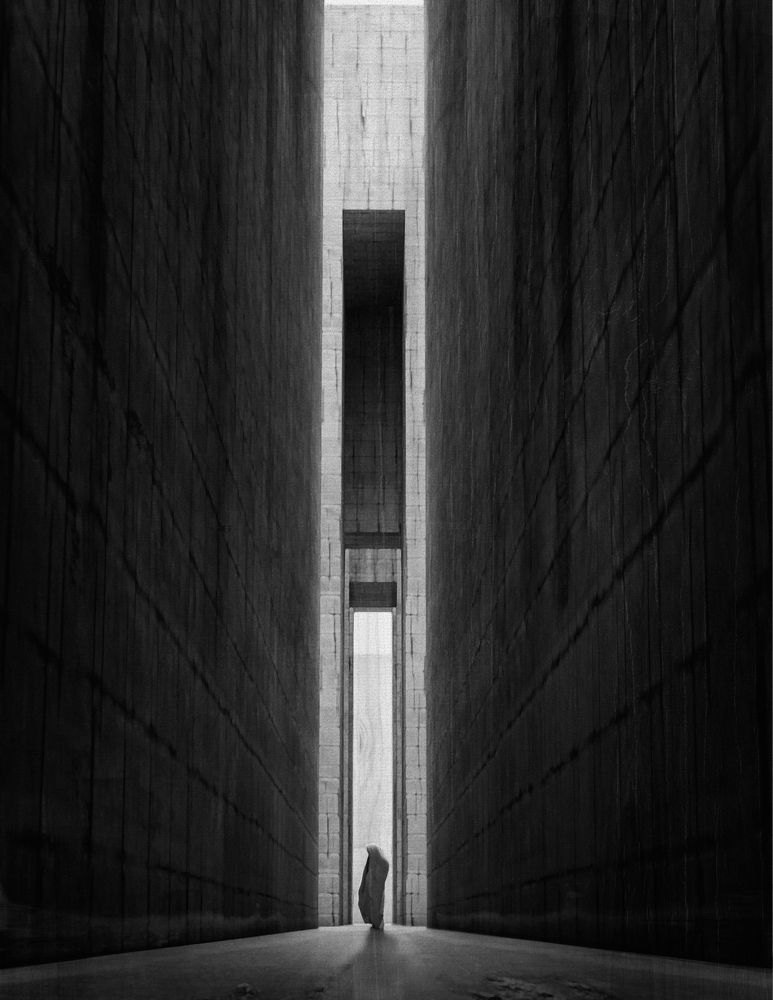
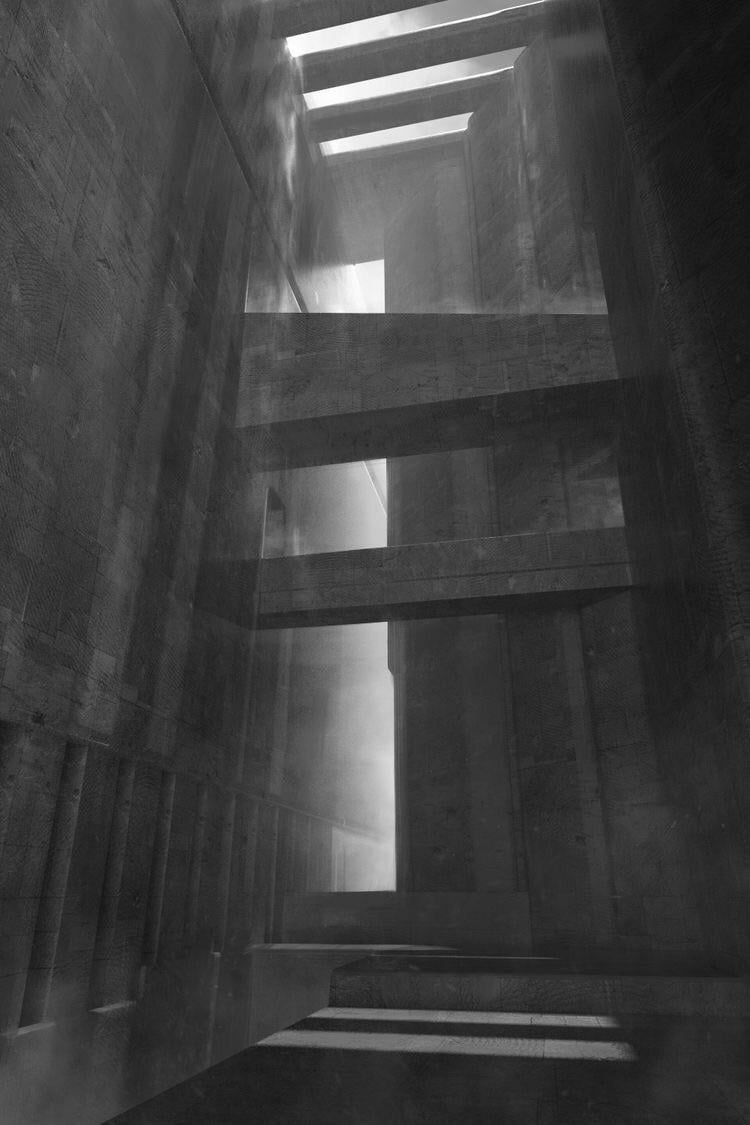
醒在冰冷高聳的灰黑牆間
從失焦與暈眩裡清醒後,觀眾發覺自己身處一座冰冷、高聳的建築之中。四周全由非常狹長、高聳的灰黑色牆壁建構而成,冷光只照亮一小截牆面和地面。空氣令人窒息,空間裡持續瀰漫著一股沉悶的低頻聲響,壓迫感馬上籠罩下來。
透過高牆空間和低頻聲音的包圍,觀眾一開始會覺得整個空間裡只有自己一個人,同時有一種闖進不該來的地方的不安。這裡沒有別的岔路,觀眾只能靠實際步行沿著狹窄高牆往前走。
Waking inside cold gray-black walls
As the dizziness fades and the mind clears, the audience finds themselves inside a cold, towering building. Extremely narrow, soaring gray-black walls rise on every side while cold light touches only a short stretch of wall and floor. The air feels suffocating, and a heavy low-frequency hum fills the space with immediate pressure.
Surrounded by sheer walls and that steady low vibration, the audience first feels completely alone, along with the uneasy sense of having entered somewhere they do not belong. There are no side routes, so the only choice is to walk on foot down the narrow corridor.
走廊循環與空間錯位
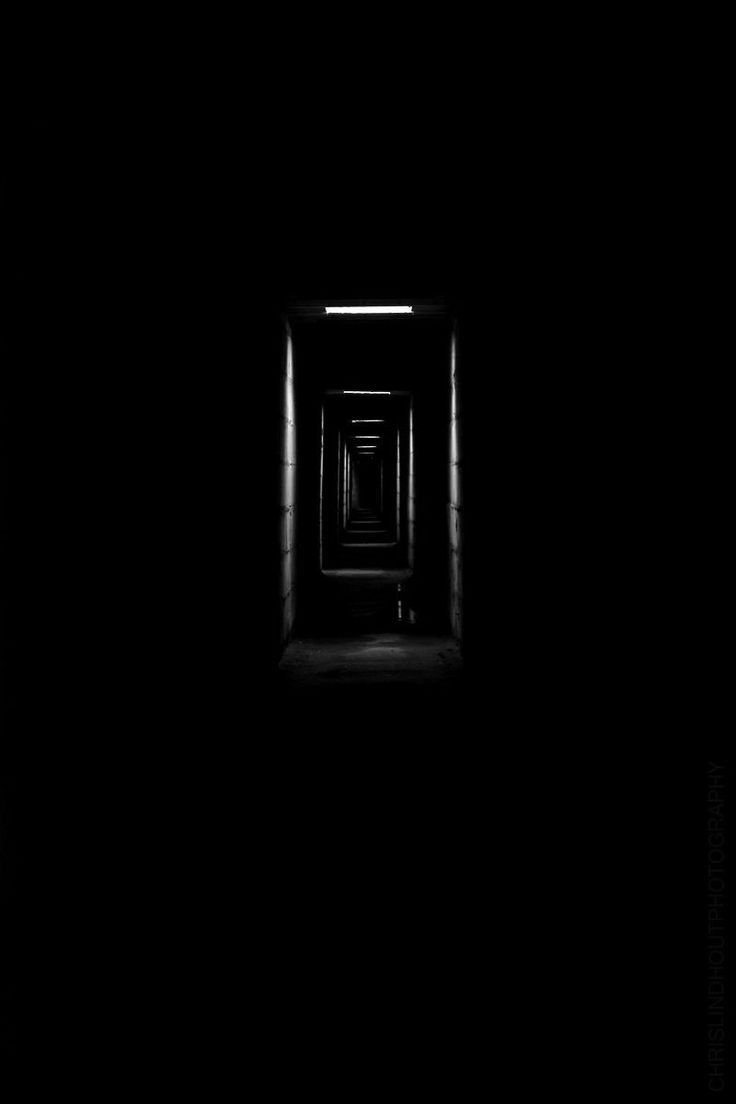
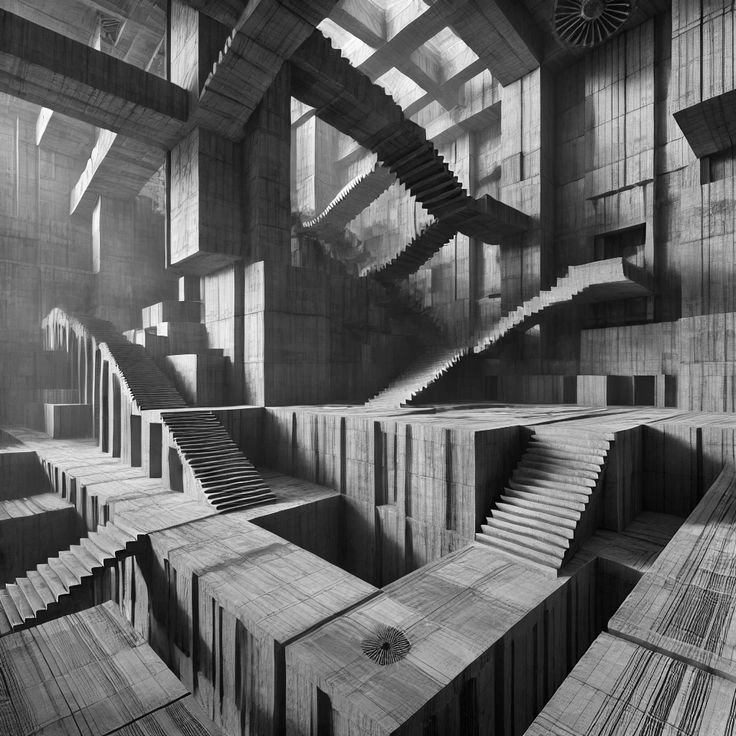
觀眾走到第一段走廊盡頭,左轉、再左轉進到下一段時,會發現眼前的走廊長得幾乎一模一樣,像又繞回了剛才走過的地方。再仔細看,卻察覺裡面有些東西不對勁。
為了找出路,觀眾不得不在走廊循環裡多走幾趟。每往前進到下一個輪迴,空間就變得更怪異、更像出現錯誤。原本該在空間裡的桌子開始卡進牆壁裡,或是貼到天花板上。觀眾會越來越覺得自己被困在一個出不去的異常走廊裡。
Looping corridors and spatial glitches
Reaching the end of the first corridor, the audience turns left and then left again into the next stretch, only to find an almost identical strange corridor as if they have looped back to the start. Looking closer, something is off.
Trying to find a way out forces the audience through the loop again. With every pass, the corridor grows stranger and more broken. Objects like a table start getting wedged sideways into the walls or stuck to the ceiling. The audience begins to feel trapped inside a glitching space they cannot leave.
角落與高處的人影
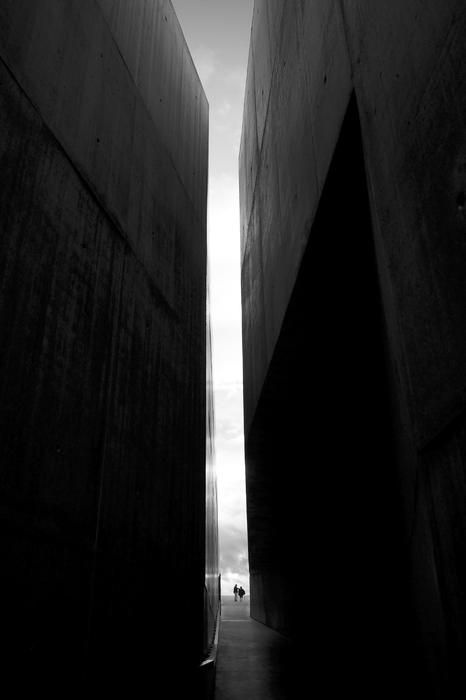
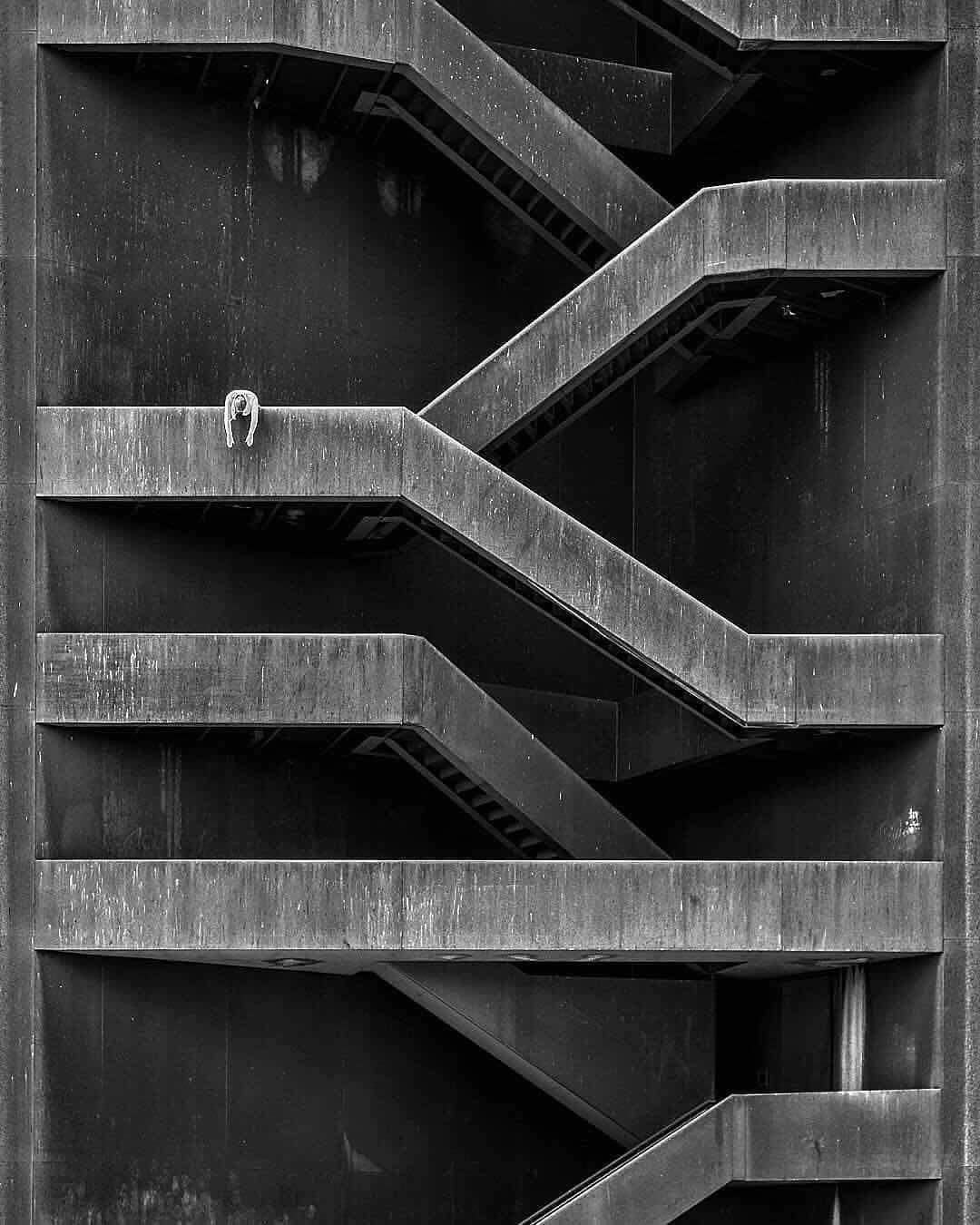
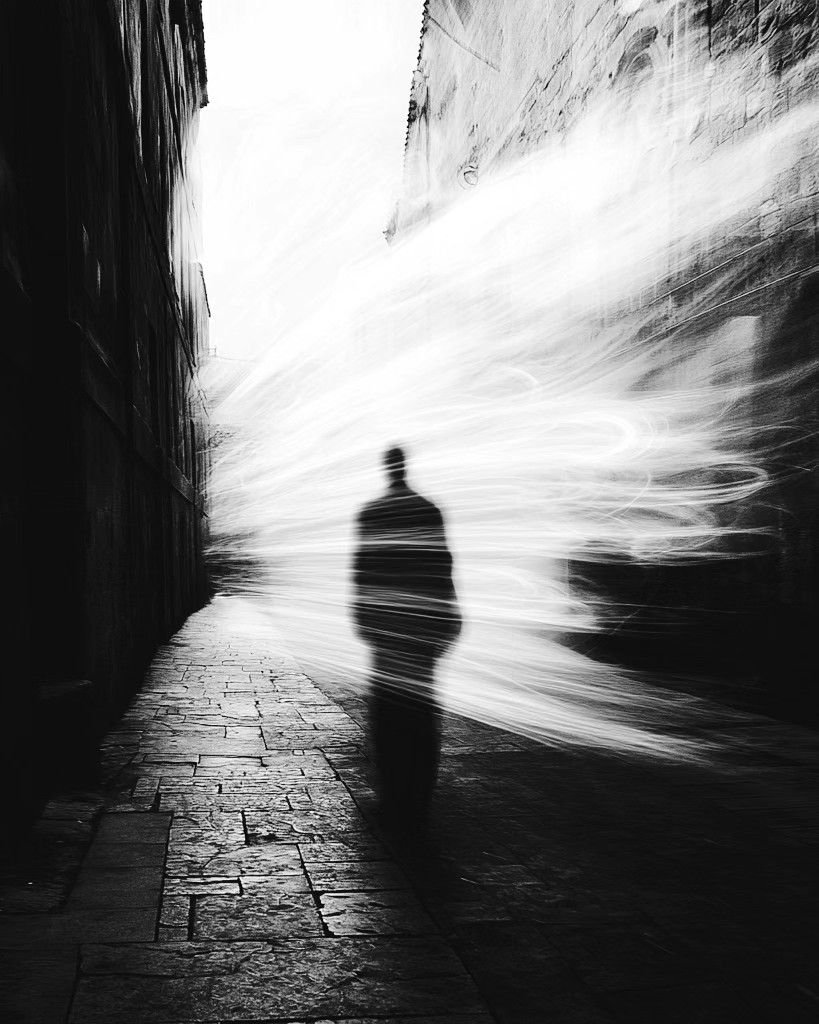
重複繞過幾輪之後,觀眾開始注意到暗處角落裡有人形一樣的黑影,有些則從高處往下看。觀眾這才意識到,自己並不是這個空間裡唯一的存在,而且周遭這些像鬼影一樣的人形正盯著自己看。
這一段把壓迫感推到最高。只要觀眾直視人影,它們就定在原地不動,一旦轉頭找路,餘光裡又感覺它們在動、在靠近。觀眾會覺得極度不自在,像被這些神秘的存在盯住不放,只想趕快逃離這裡。
Figures in corners and high above
After several loops, shadowy human-like figures begin to appear in dark corners and looking down from high up. The audience realizes they are not alone in this space. Every figure around them seems to be staring right at them.
Here the pressure hits its peak. As long as the audience looks directly at a figure, it holds still. The moment they look away to search for a way through, it twitches and creeps closer in peripheral vision. Haunted and watched by these ghost-like presences, the audience feels deeply uneasy and wants to get out.
走廊盡頭的出口門
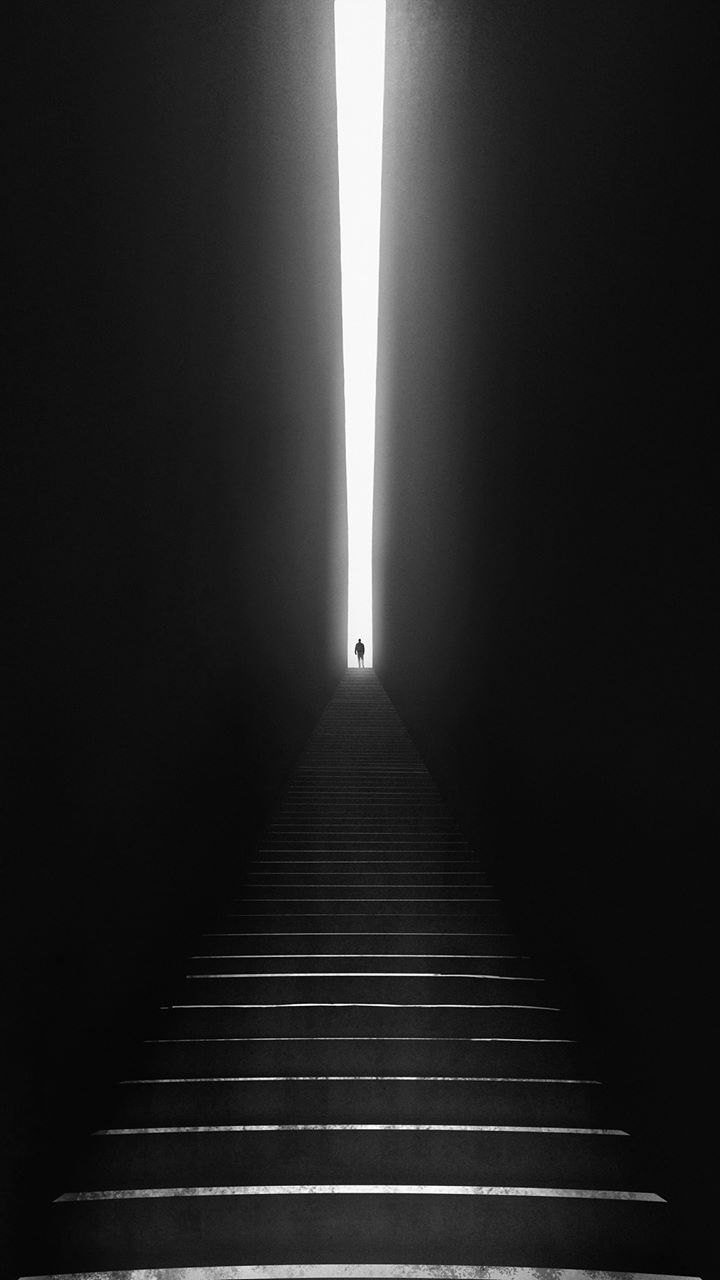
在循環裡越走越不對勁之際,走廊盡頭終於出現一扇出口門。站在原地就看得見它,想離開這裡,觀眾得把視線從暗處的人影移開,硬著頭皮往門走過去。
在強烈想逃出這段高壓空間的驅使下,觀眾走向門扉並跨過門檻,離開不斷循環出錯的狹長走廊,進入第二章。
The exit door at the end of the loop
As the loops grow more erratic and tense, an exit door finally appears at the far end of the corridor. The audience can see it from where they stand, yet walking toward it means taking their eyes off the shadowed figures in the corners.
Wanting to escape this tight space, the audience walks up to the door and steps across the threshold. The broken corridor loop ends here, and Chapter 2 begins.
間章 · 視覺註記Interlude · Visual Note
THE ENTITIES
Afterimages and Double Exposure
間章音樂Interlude music
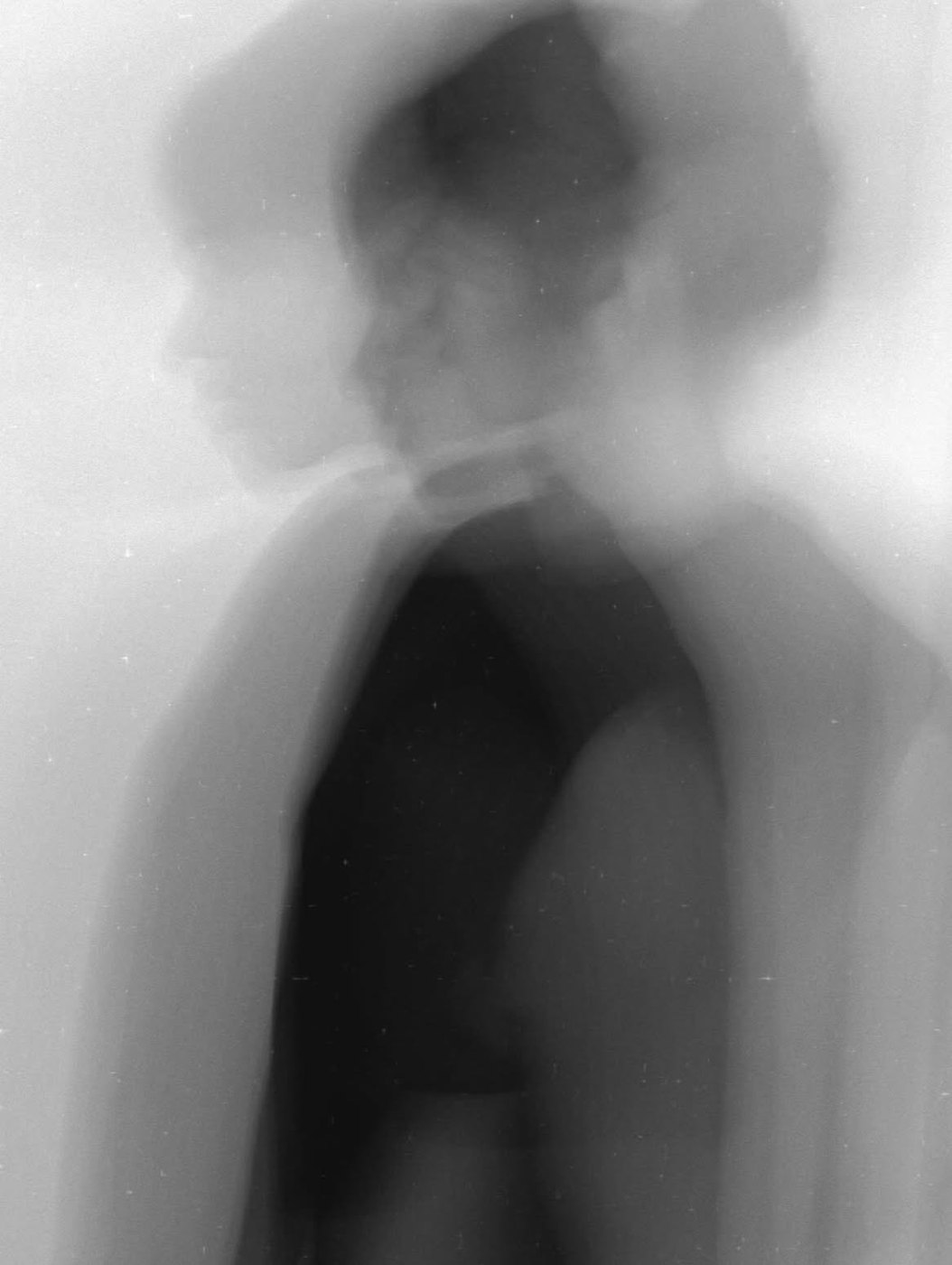
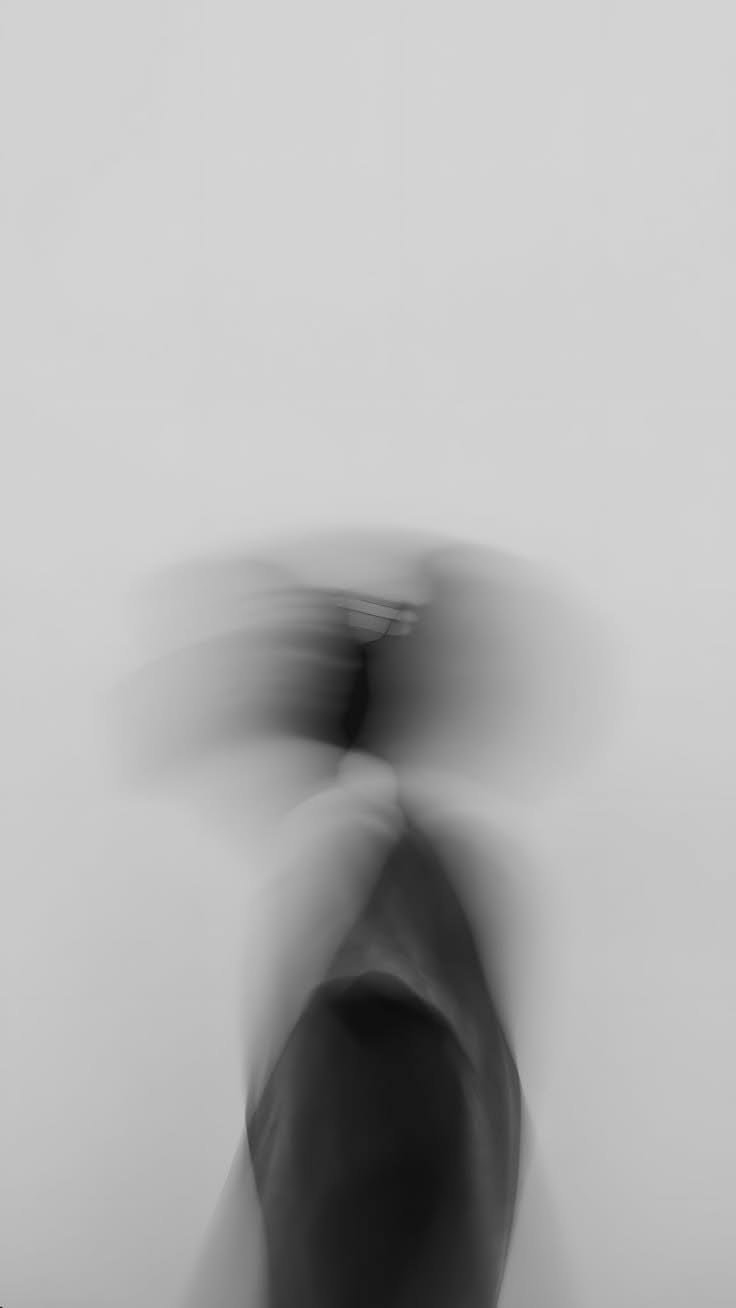
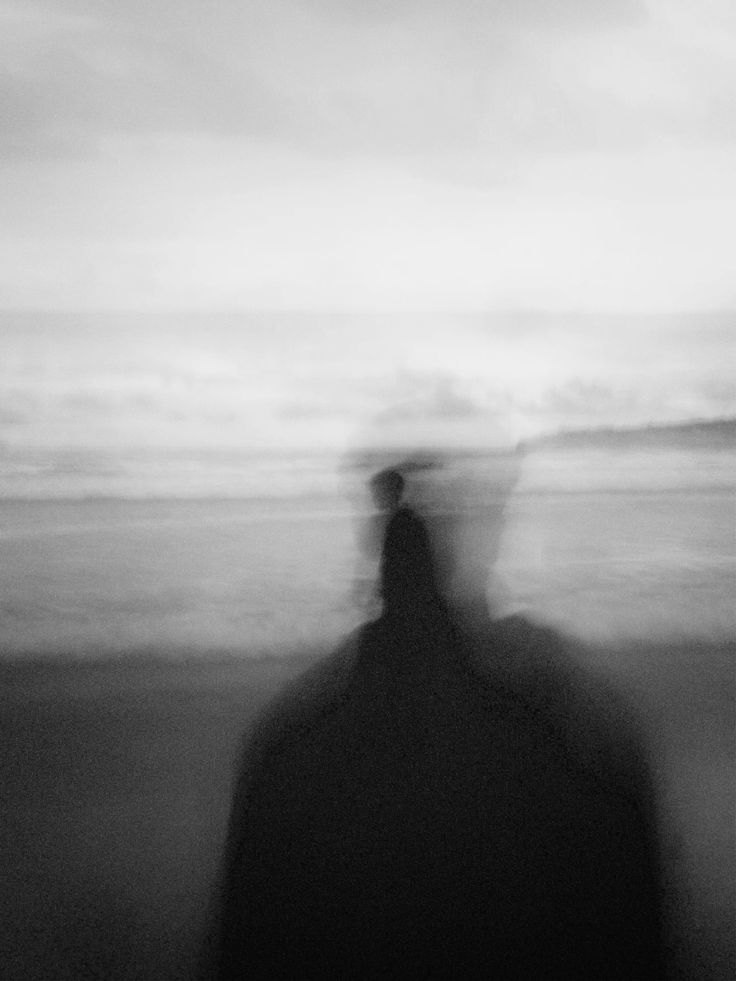
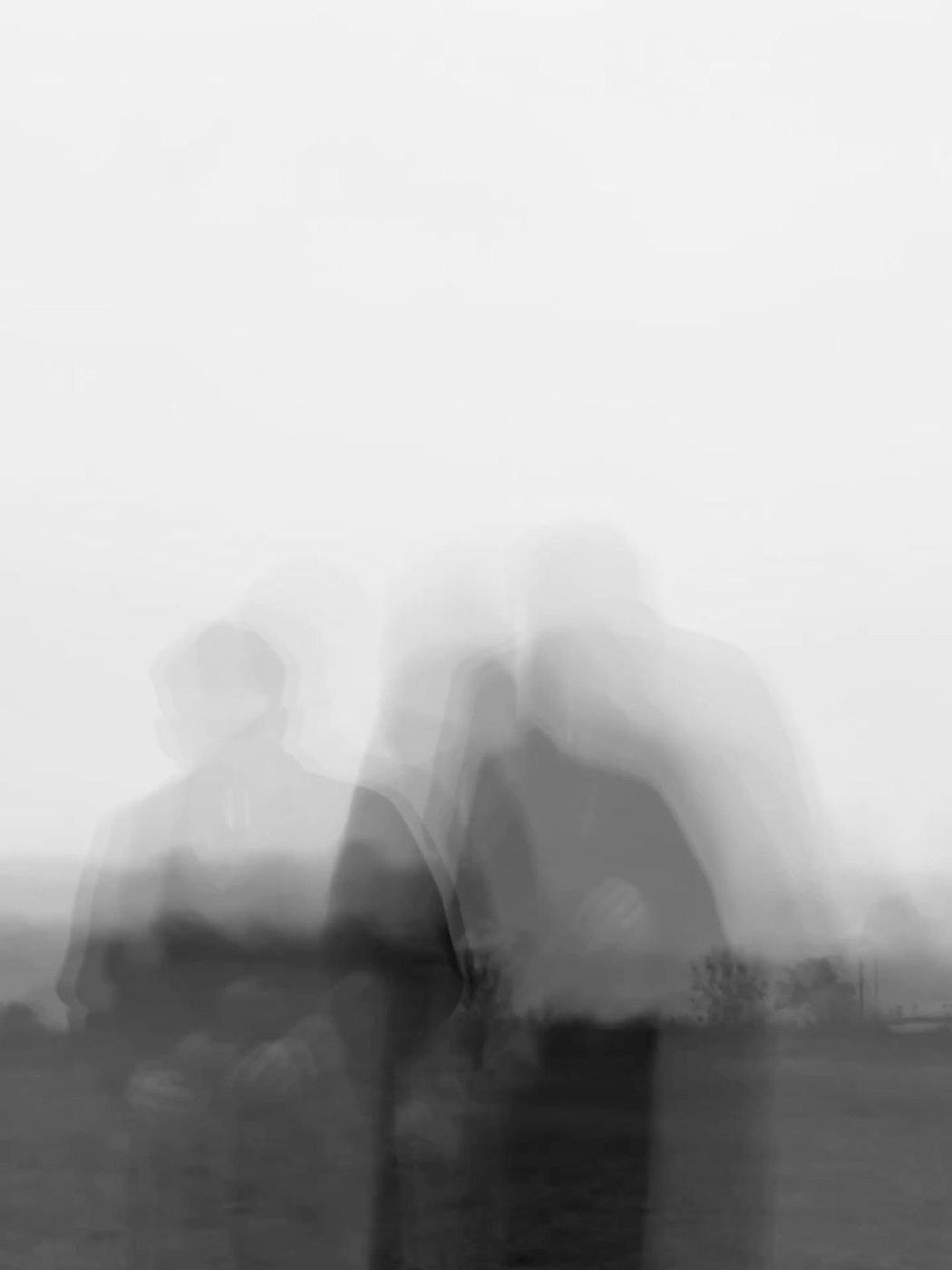
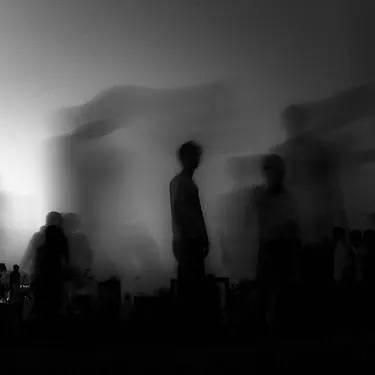
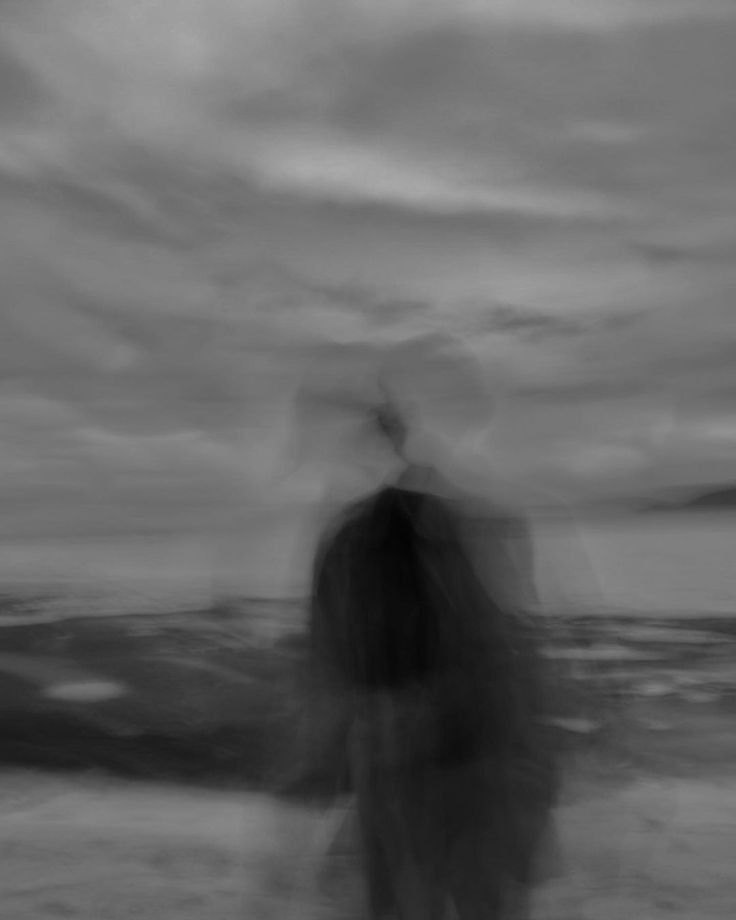
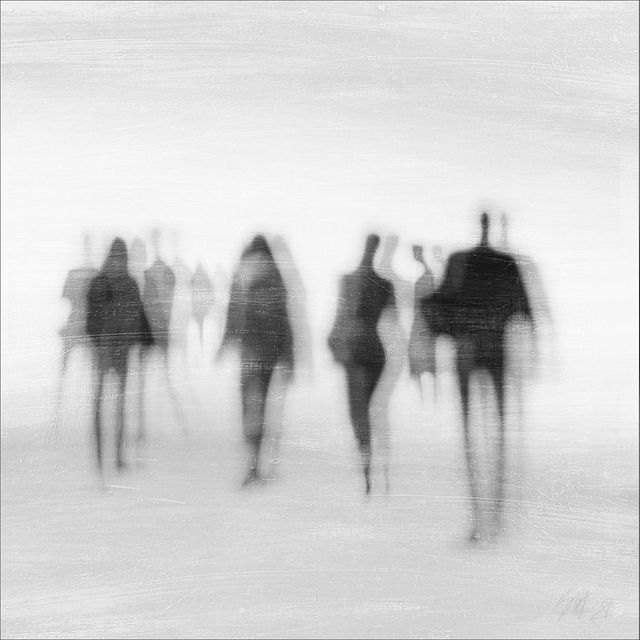
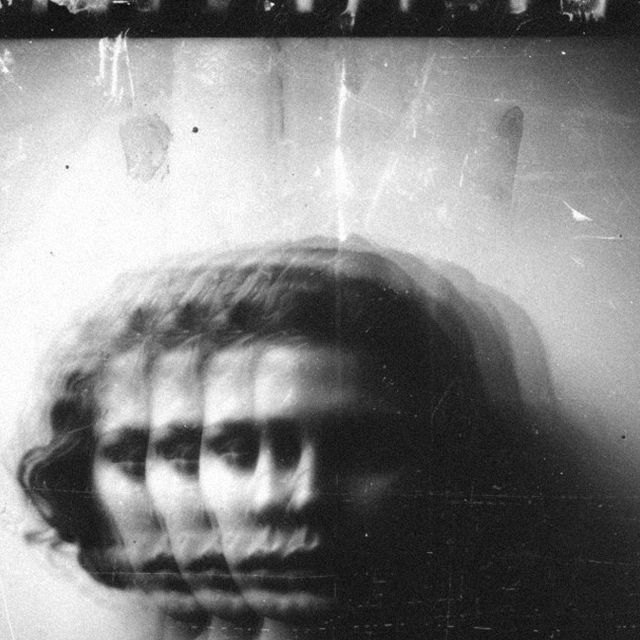
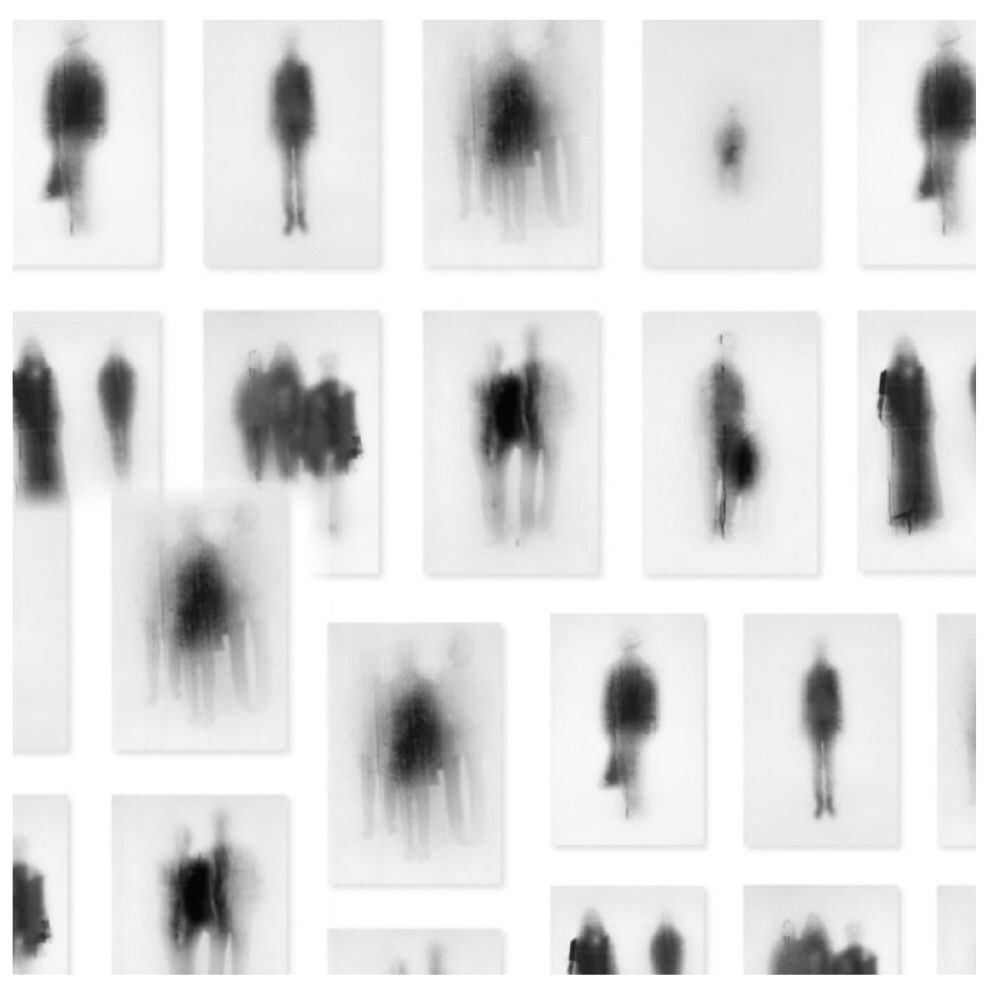
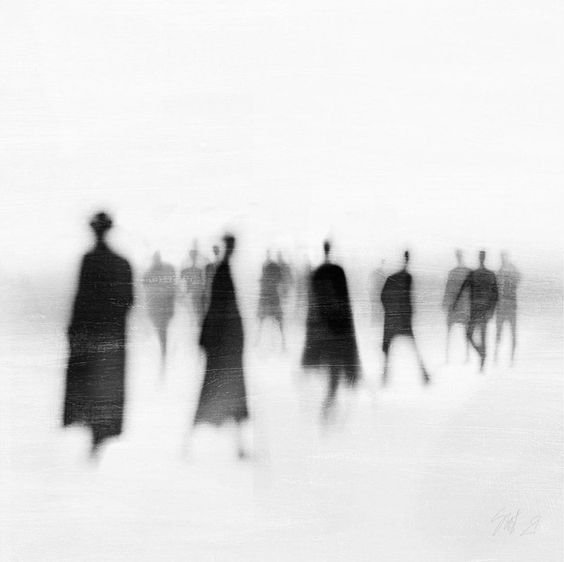
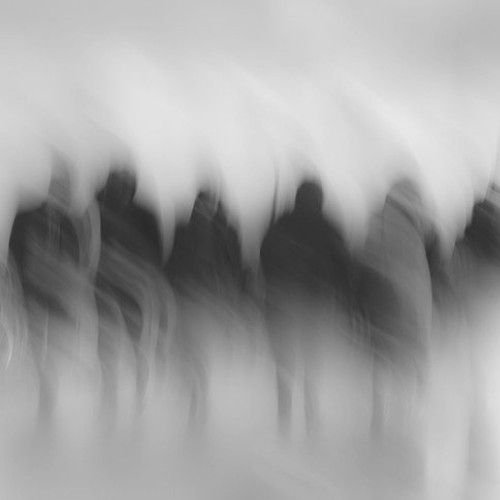
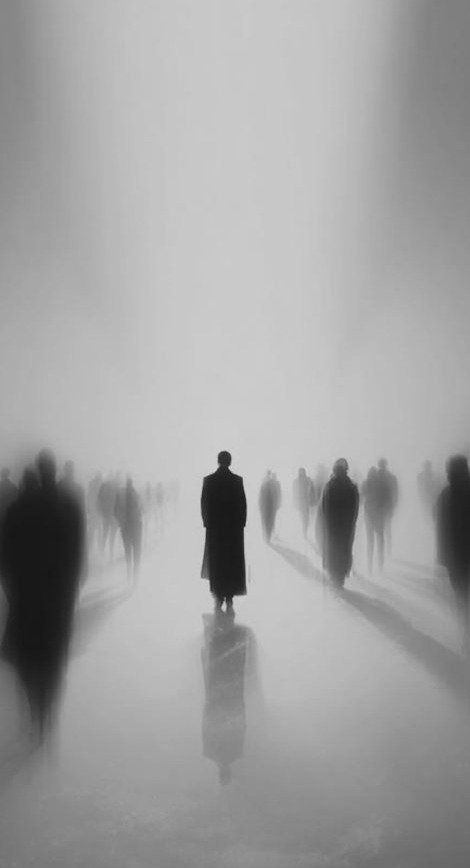
貫穿整段體驗的人影,並不是輪廓清晰、面貌分明的寫實角色。它們像是永遠卡在夾縫之間的存在,呈現出接近攝影雙重曝光與慢速快門的殘影狀態,身形邊緣模糊化開,如數層半透明剪影彼此重疊。
這些實體沒有清楚的五官,總帶著細微晃動與殘留軌跡,停在凝滯與移動之間,讓人看得見輪廓,卻始終對不上焦。每當它們在牆角、高處或草海裡現身,空氣中總會伴隨一股不祥的低頻。
The entities appearing throughout the work are not sharp, clearly rendered characters. Caught permanently in between, they take the form of afterimages shaped like double exposure and slow shutter photography, with blurred edges and translucent silhouettes layered over one another.
None of them show clear facial features. Each body carries faint motion trails and overlapping echoes, suspended between stillness and movement and always slightly out of focus. Whenever these entities appear in dark corners, high above, or across the open grass, an ominous low-frequency hum fills the air.
Chapter 02
OOBE
The Backstage Mirage
本章音樂Chapter music
走進某個空間的後台
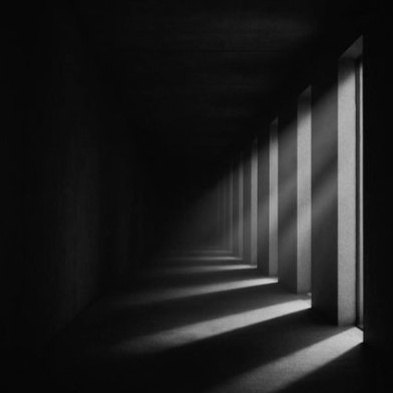
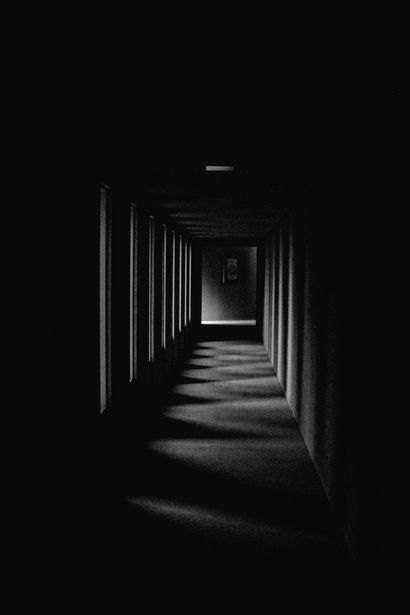
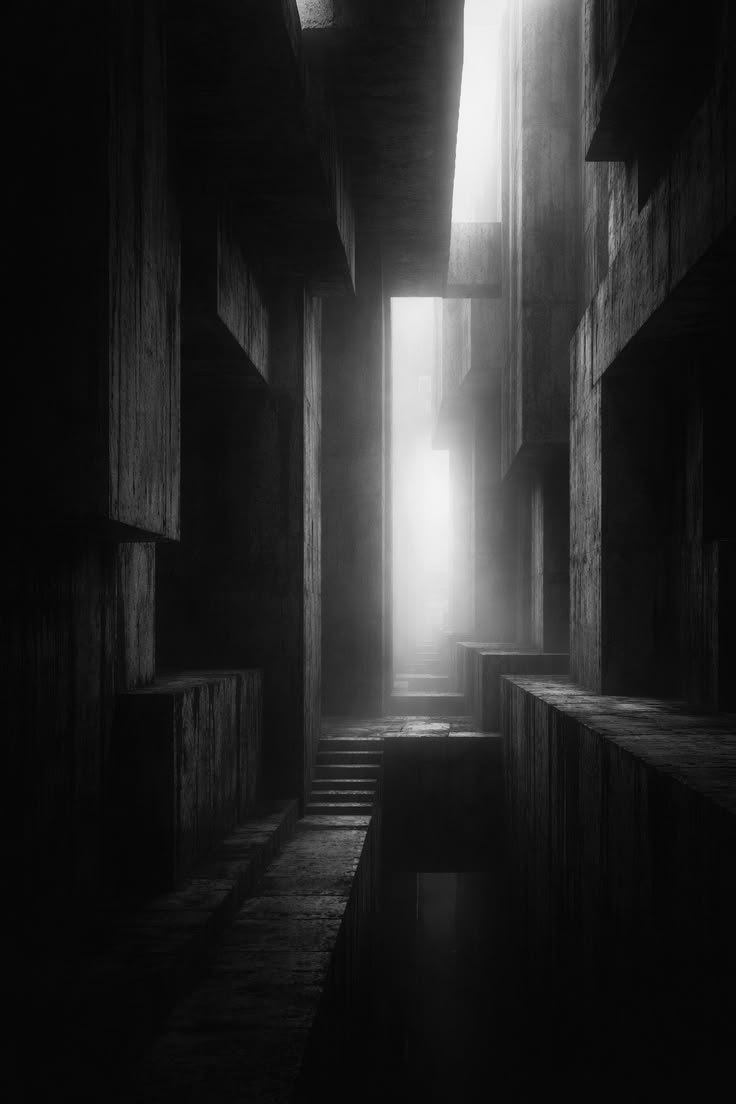
走出第一章的高牆之後,觀眾會來到一個像劇場或展場後台的地方。眼前不再是整理好的牆面,而是裸露的擋板和頭頂的桁架。這種反差立刻帶來心理困惑,剛剛走過的那個高牆空間,難道是被什麼東西搭出來的布景嗎?
同時,觀眾感覺自己正站在某處陰暗裡,光線從牆壁的另一側透過來,環境音也一直從空間的另一邊傳過來。這些光影和聲音暗示觀眾正站在某個東西的背後。想離開這個後台時,空間佈局讓觀眾覺得自己找到了一條往外走的路,於是順著方向繼續往前。
Stepping behind the set
Leaving the narrow walls of Chapter 1 behind, the audience enters a space that looks like the backstage of a theater or exhibition set. Instead of finished surfaces, bare partition panels and overhead trusses stand exposed. That shift raises an immediate doubt about whether the oppressive space they just walked through was staged by someone or something.
At the same time, the audience stands in shadow while light shines through from the other side of the walls, and ambient sound carries over from beyond the partitions. Both the lighting and the sound suggest they are standing behind the back of something. Looking for a way out of this liminal backstage, the layout makes them feel they have found the right path forward, so they keep walking.
走動時浮現的空間疊影
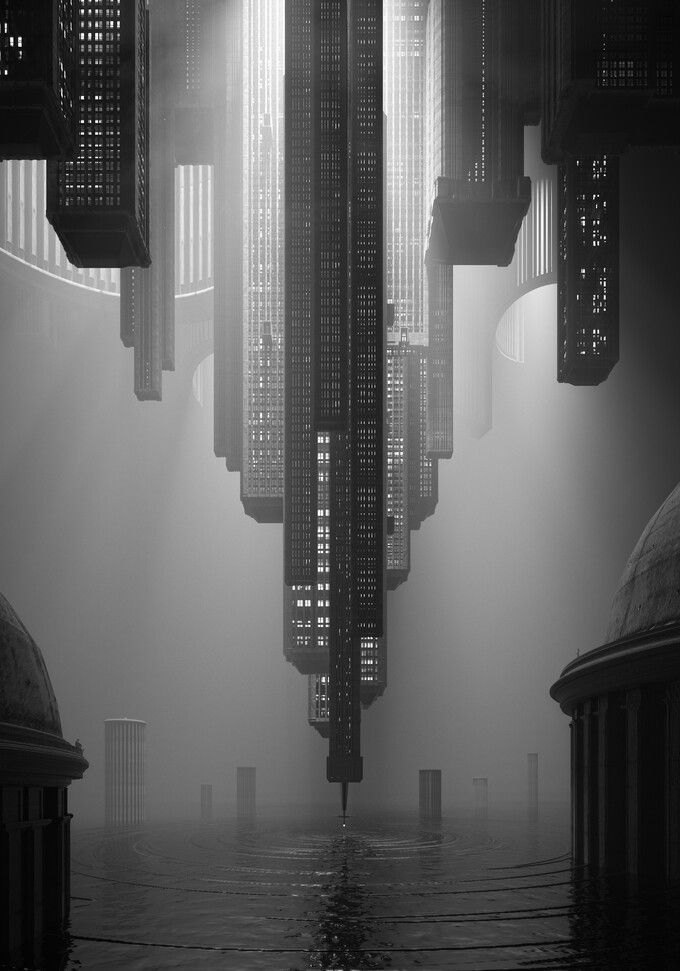
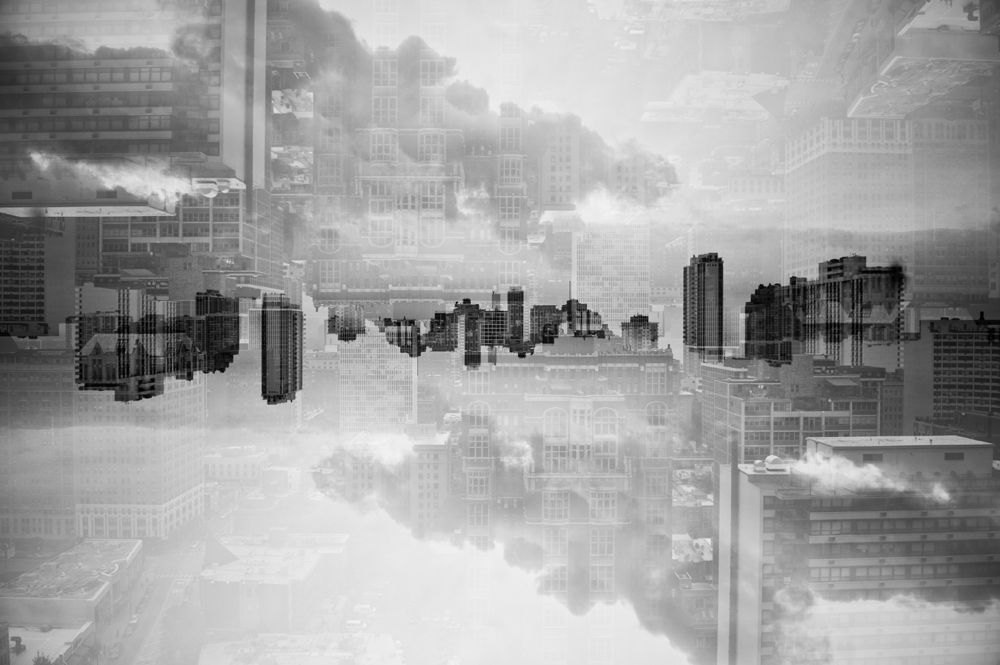
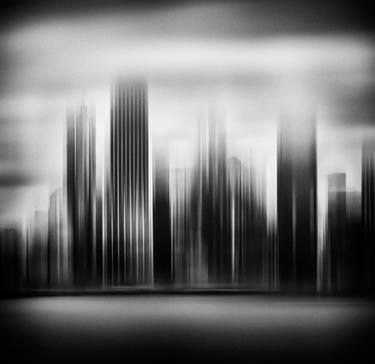
觀眾在這個後台過渡空間一往前走,眼前就會慢慢浮出另一層空間,像海市蜃樓,也像攝影裡的雙重曝光。後台原本的結構都還在,但在移動的過程中,一座巨大的地下神殿在眼前若隱若現,裡面排滿非常大量的棺木。
只要觀眾停下腳步,這層疊影就會消失,眼前又回到原來的後台。重新邁步往前走,神殿和成排棺木又會漸漸浮出來。為了看清到底出現了什麼,觀眾不能停,只能一邊走、一邊盯著疊影往前。
A mirage that appears while walking
As soon as the audience walks forward through this backstage corridor, a second space slowly bleeds into view like a mirage or a double exposure. The backstage structure stays right where it is, yet moving makes a massive underground temple shimmer in and out of sight, packed with countless coffins.
The moment the audience stops walking, the mirage vanishes and leaves only the backstage walls. Start walking again, and the temple and rows of coffins gradually return. To keep seeing what lies inside this vision, the audience cannot stop and has to keep moving.
疊影中懸吊的人體
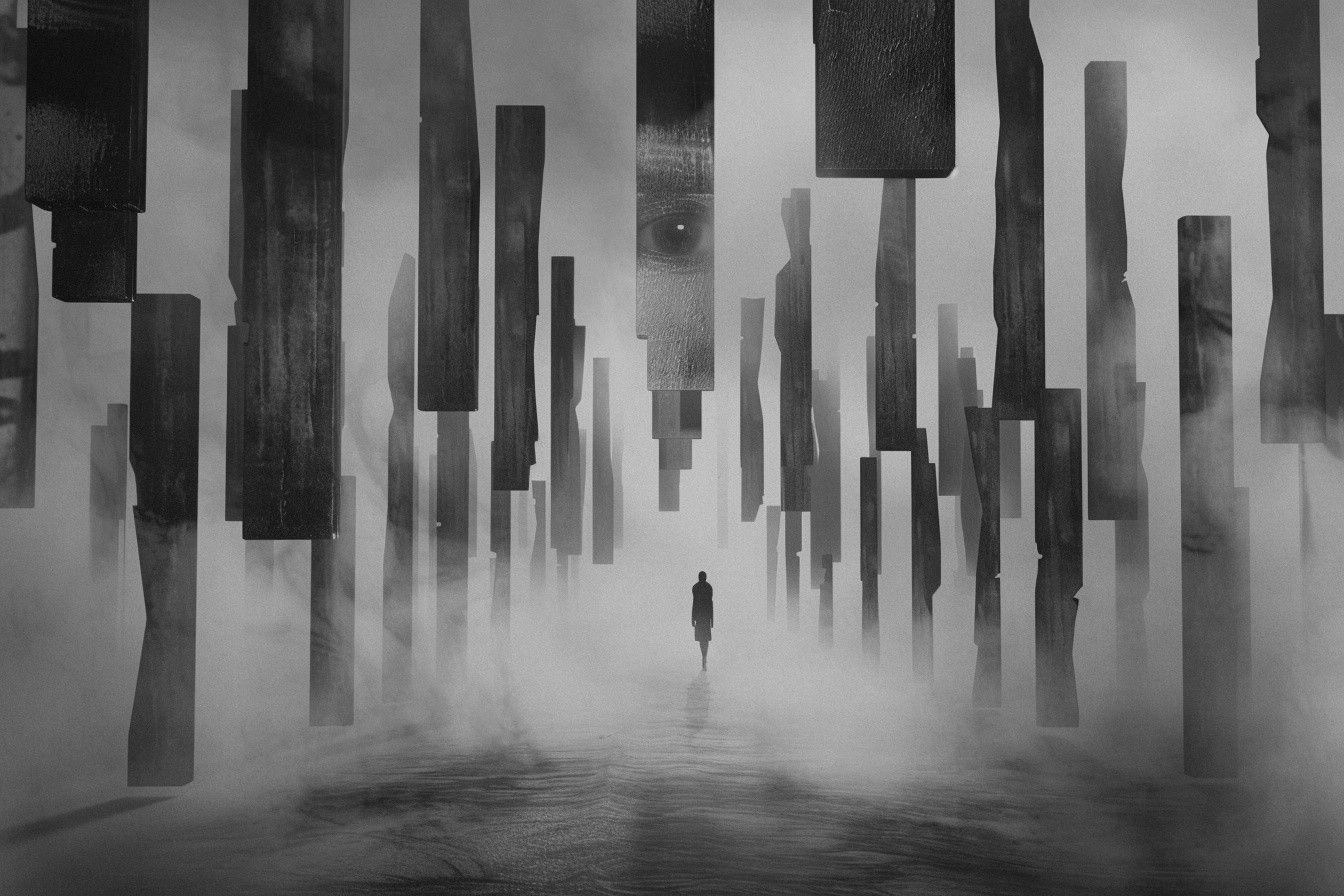
繼續邊走邊看,觀眾在雙重曝光的畫面裡,還會看見大量類似人的軀體被懸吊在半空中,停在成排棺木上方。
在第二章裡,觀眾還不知道這些畫面究竟是什麼,也不知道它們和眼前的空間有什麼關係。觀眾心裡只能留下疑問,自己走動時觸發的這些幻象,是不是代表正朝著對的方向前進?這個還沒解開的謎團,推著觀眾繼續往後台深處走。
Suspended bodies inside the mirage
While keeping up their pace, the audience looks deeper into the double-exposure view and sees numerous human bodies suspended motionless in mid-air above the rows of coffins.
At this point in Chapter 2, the audience has no idea what these visions are or how they relate to the room they are standing in. They are left wondering whether triggering this mirage means they are walking in the right direction. That open question pulls them further down the corridor.
盡頭高聳的白色亮光門
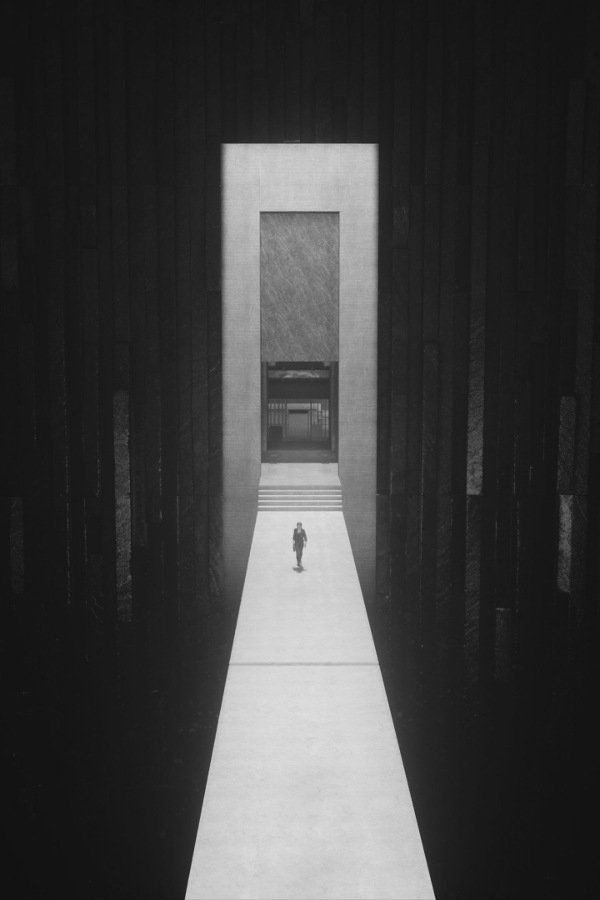
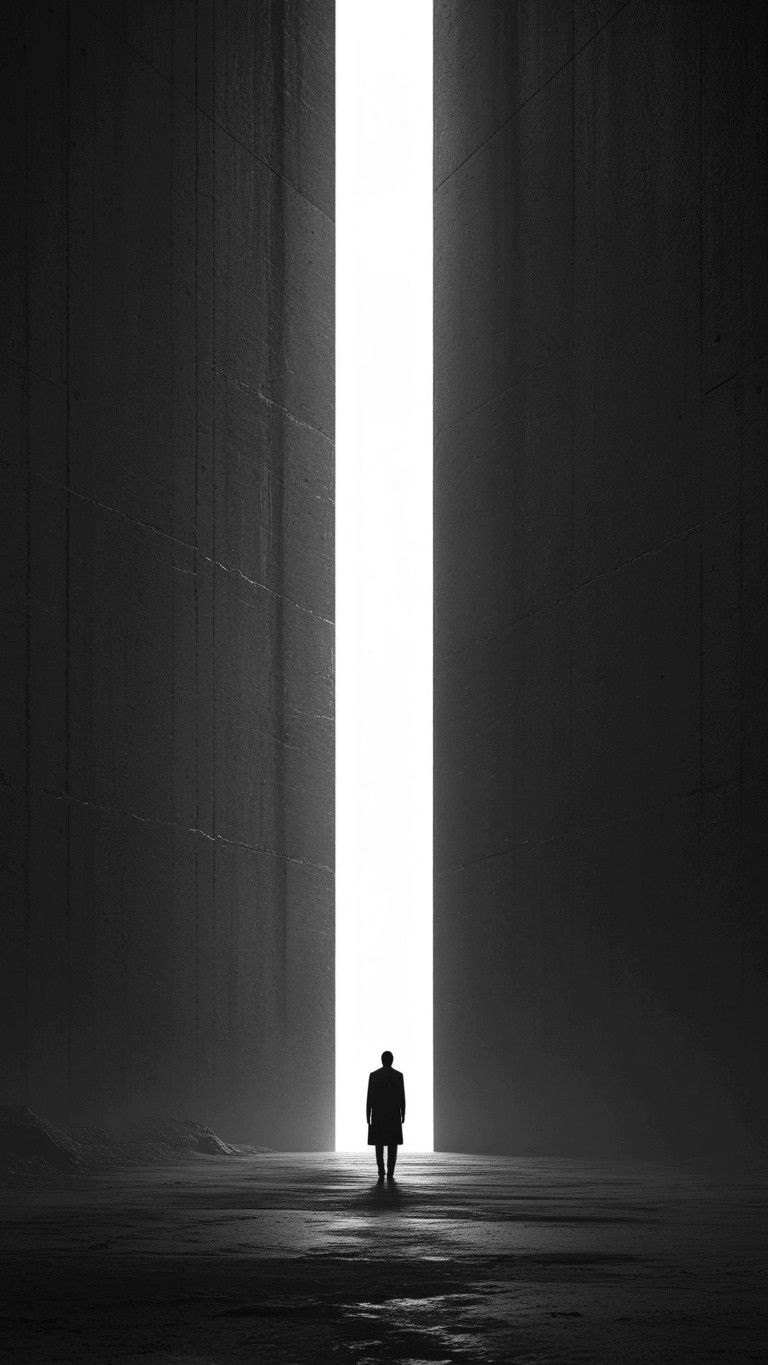
順著後台的動線一直走到第二章盡頭,前方出現一座非常高聳、散發強烈白色亮光的巨門。
這道亮門成了最清楚的出口方向。觀眾朝著白光走過去並穿過門洞,終於離開室內後台,踏進室外的第三章。
The towering white glowing door
Following the backstage layout all the way to the end of Chapter 2 brings the audience to a huge, towering doorway glowing with bright white light.
That doorway stands out as the clear way out. Walking toward the light and stepping through finally carries the audience out of the indoor backstage and outdoors into Chapter 3.
Chapter 03
ORBIT
The Endless Fall
本章音樂Chapter music
站在巨型懸崖半腰
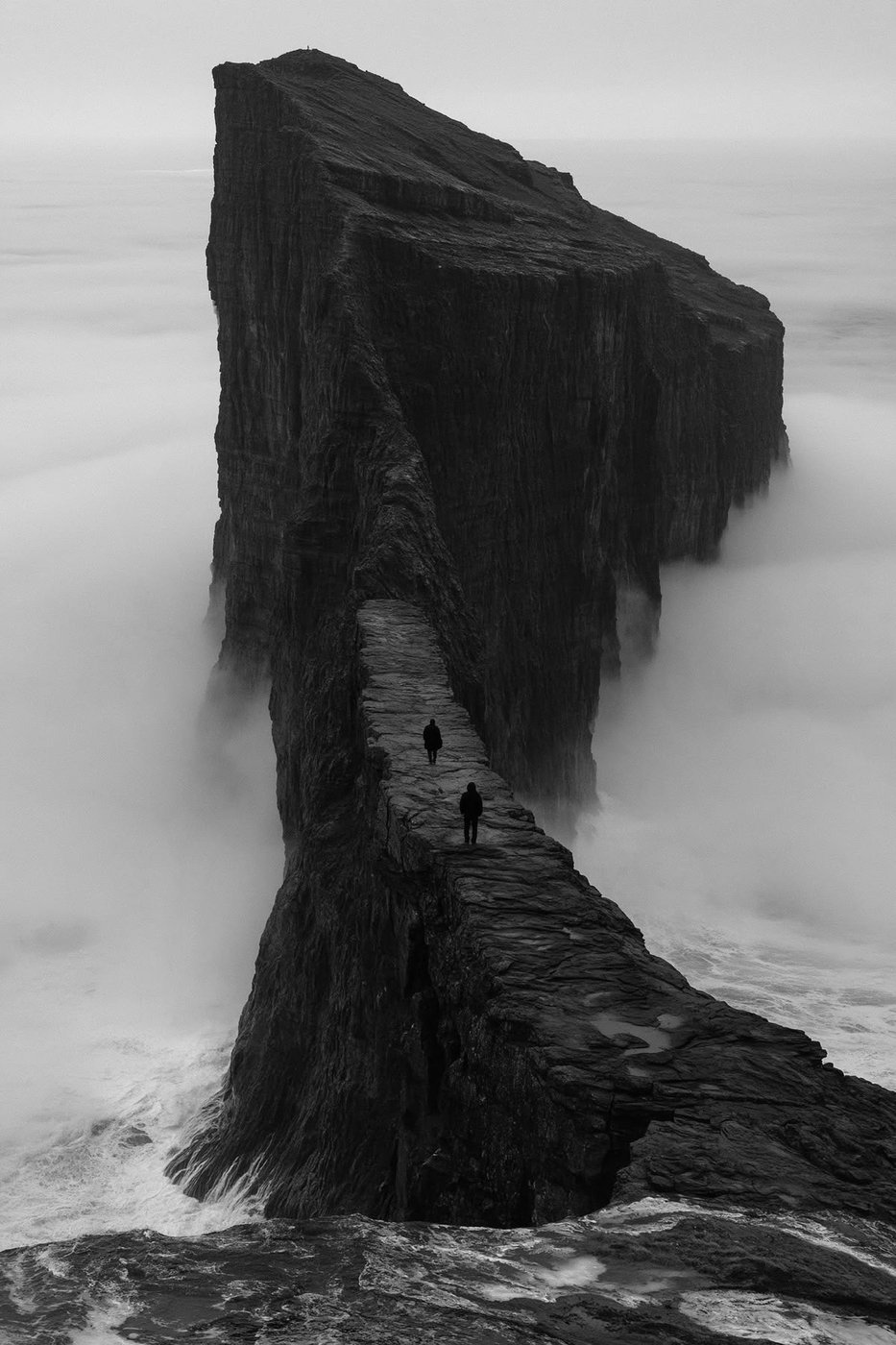
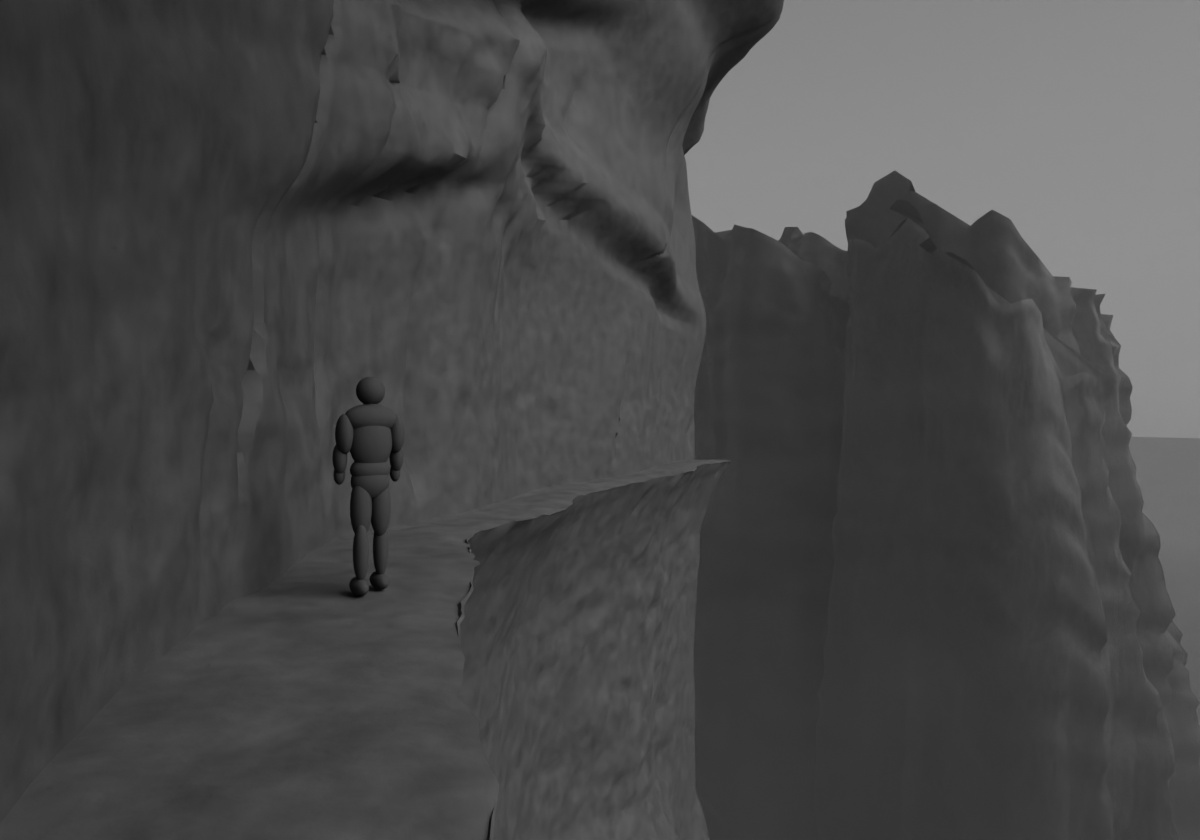
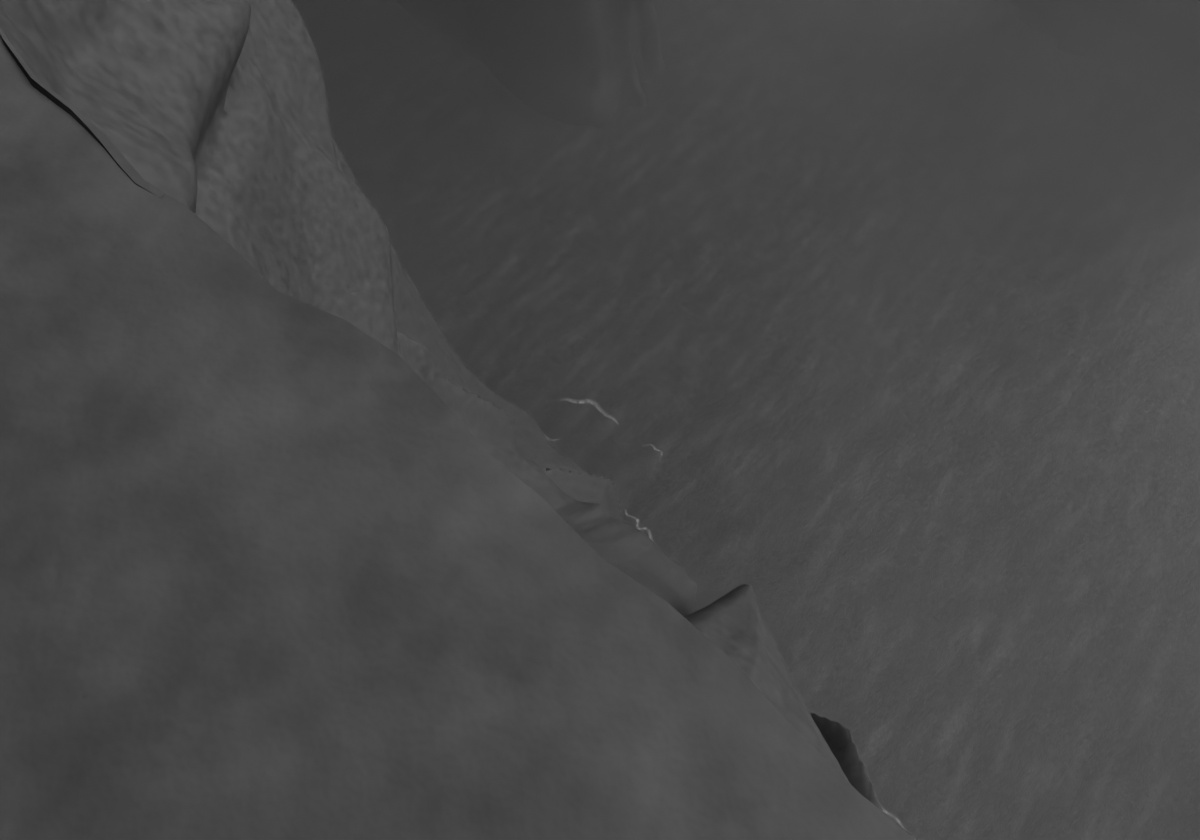
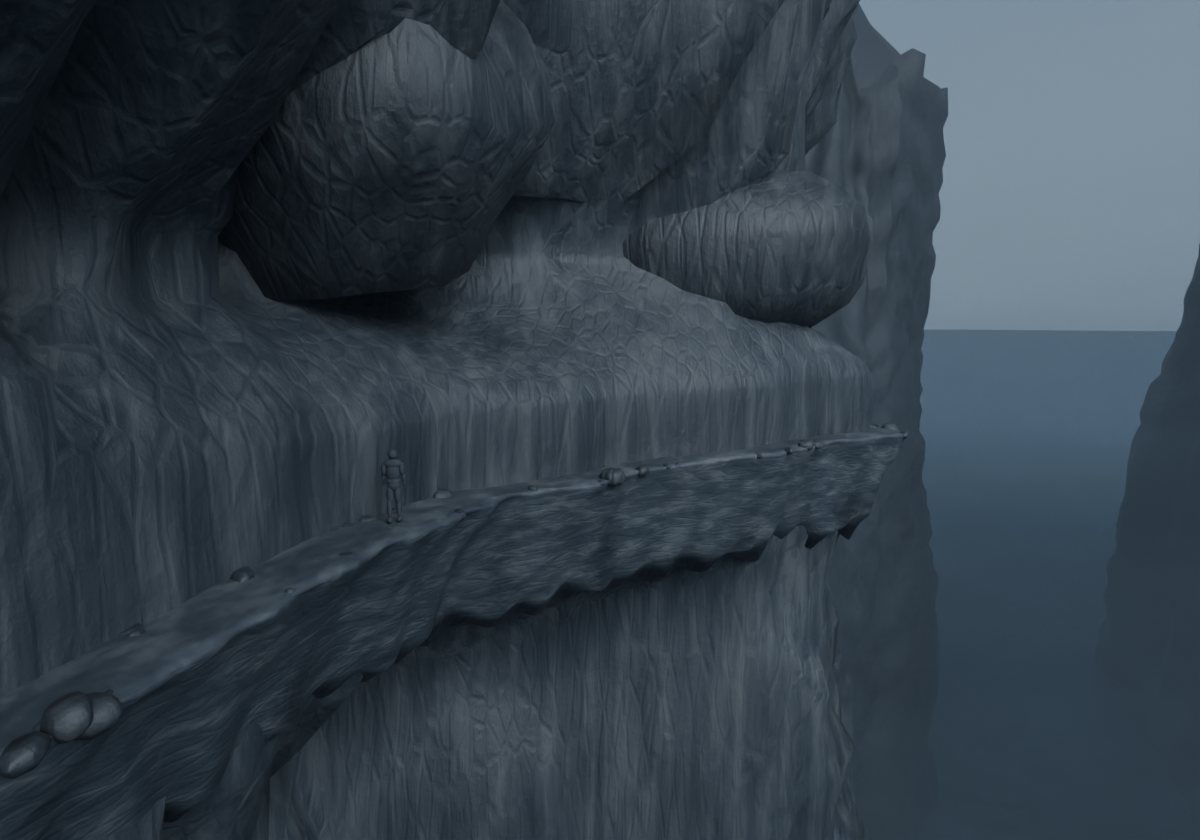
穿過白色亮光門之後,觀眾突然置身室外,站在一條鑿在巨型懸崖半腰、極窄又危險的小路上。往上看是更高的岩壁一路沒進霧裡,往下看底下則是湍急拍岸的海浪。
往海面和海岸線仔細看時,觀眾會發現大量人體漂浮在下面,不斷被潮汐一波波推向岩壁和沙灘。這裡沒有別的路可走,觀眾只能貼著山壁沿這條窄路往前走。
Halfway up the colossal cliff
Stepping through the white door, the audience suddenly finds themselves outdoors on an extremely narrow, dangerous path cut halfway up a colossal cliff. Looking up, an even taller rock face climbs into the fog. Looking down, violent ocean waves crash far below.
Gazing down at the water and coastline, the audience spots large numbers of human bodies floating in the sea, washed repeatedly against the rocks and shore by the tide. With no other route available, they begin walking along the narrow cliffside path.
頭頂懸崖不斷墜落的人影
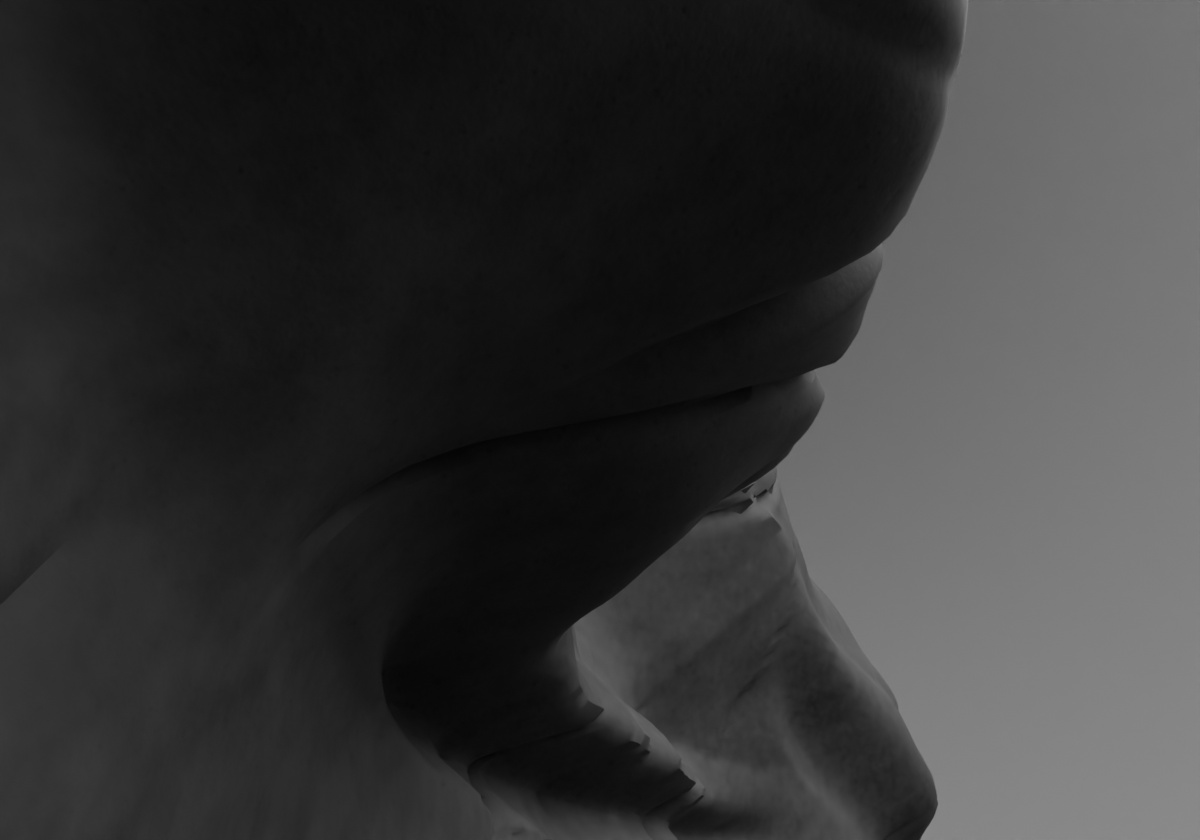
沿著窄路往前走、繞過山壁時,觀眾開始看見更高處的懸崖頂端,不斷有暗色人影往下跳、往下墜,掠過眼前一路落進底下的海面。
觀眾站在半山腰上,完全不知道為什麼會有人從頭頂跳下來,也不知道這個世界發生了什麼事。既看不到上面發生了什麼,也阻止不了,只能帶著這個強烈疑問繼續往前走。
Figures falling from the cliff above
Moving forward along the cliff wall and rounding the bend, the audience starts seeing dark human figures jumping and falling from the higher cliff overhead. They drop right past eye level into the sea below.
Standing halfway down the cliff face, the audience has no way of knowing why people are jumping from above or what happened to this world. Unable to see the top or stop anyone, they carry that unanswered question forward along the path.
轉角堵路的人影與好奇心
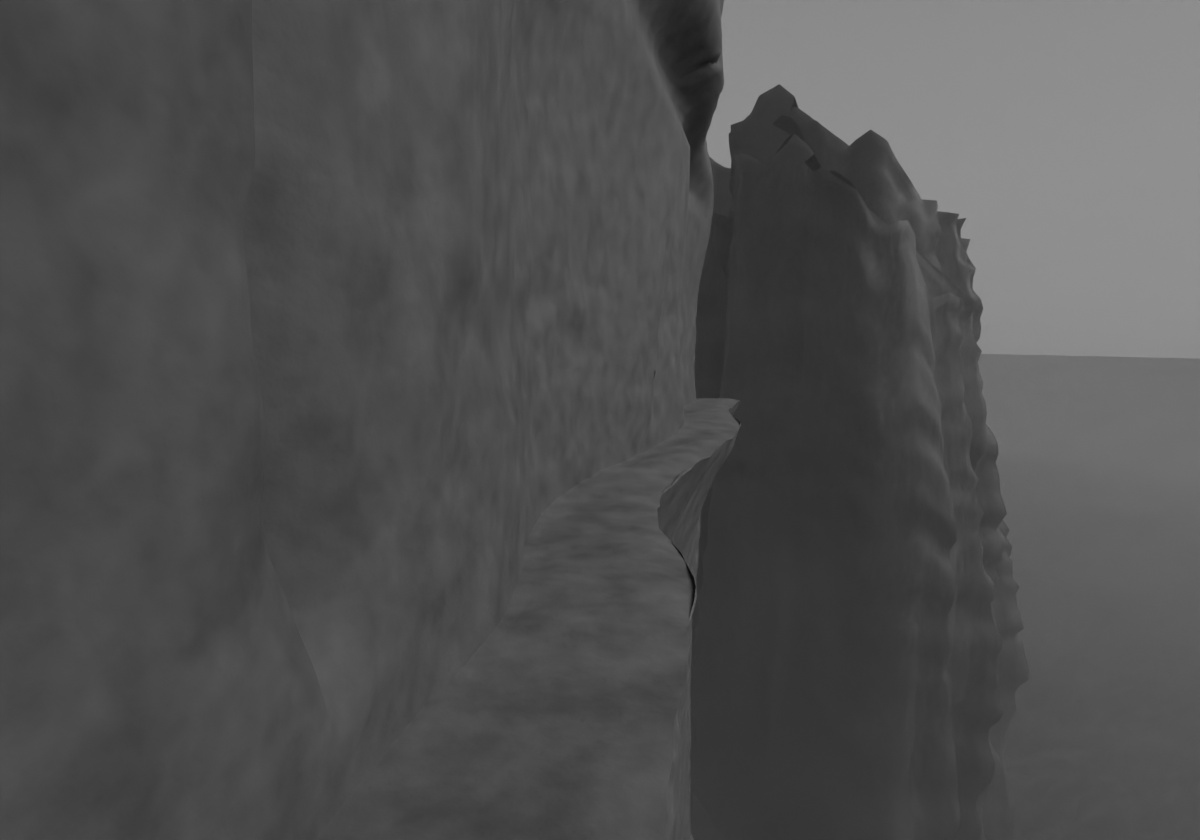
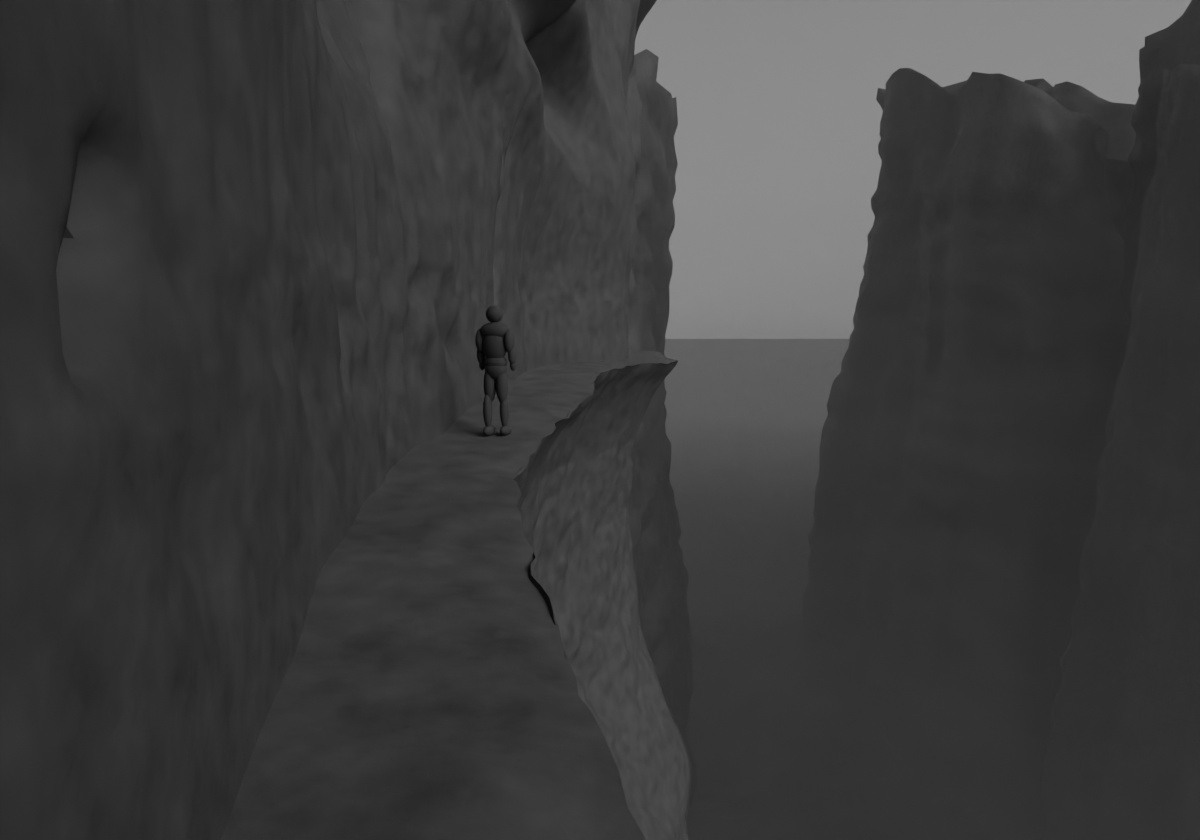
拐過下一個轉角,觀眾看見眼前窄路正中央站著一道單獨的人影。觀眾貼著山壁慢慢靠近它,想看接下來會發生什麼。
就在觀眾走近的那一刻,這道人影沒有攻擊,反而直接轉身從懸崖跳了下去。觀眾的情緒在這裡從壓迫轉成好奇。他們並沒有要傷害觀眾,看起來反而像是在躲開觀眾。「為什麼它站在我前面,我一靠近它就往下跳?」帶著這條關鍵線索,觀眾繼續沿路往前。
The lone figure around the corner
Turning the next corner, the audience sees a single entity standing right ahead on the narrow path. They edge closer along the rock wall to see what it will do.
The moment the audience gets close, the figure does not attack. Instead, it turns and jumps straight off the cliff. That sudden move shifts the mood from pure pressure into curiosity. These entities are not attacking and actually seem to be trying to get away. “Why was it standing in my path, and why did it jump as soon as I walked closer?” Holding onto that clue, the audience keeps moving along the ledge.
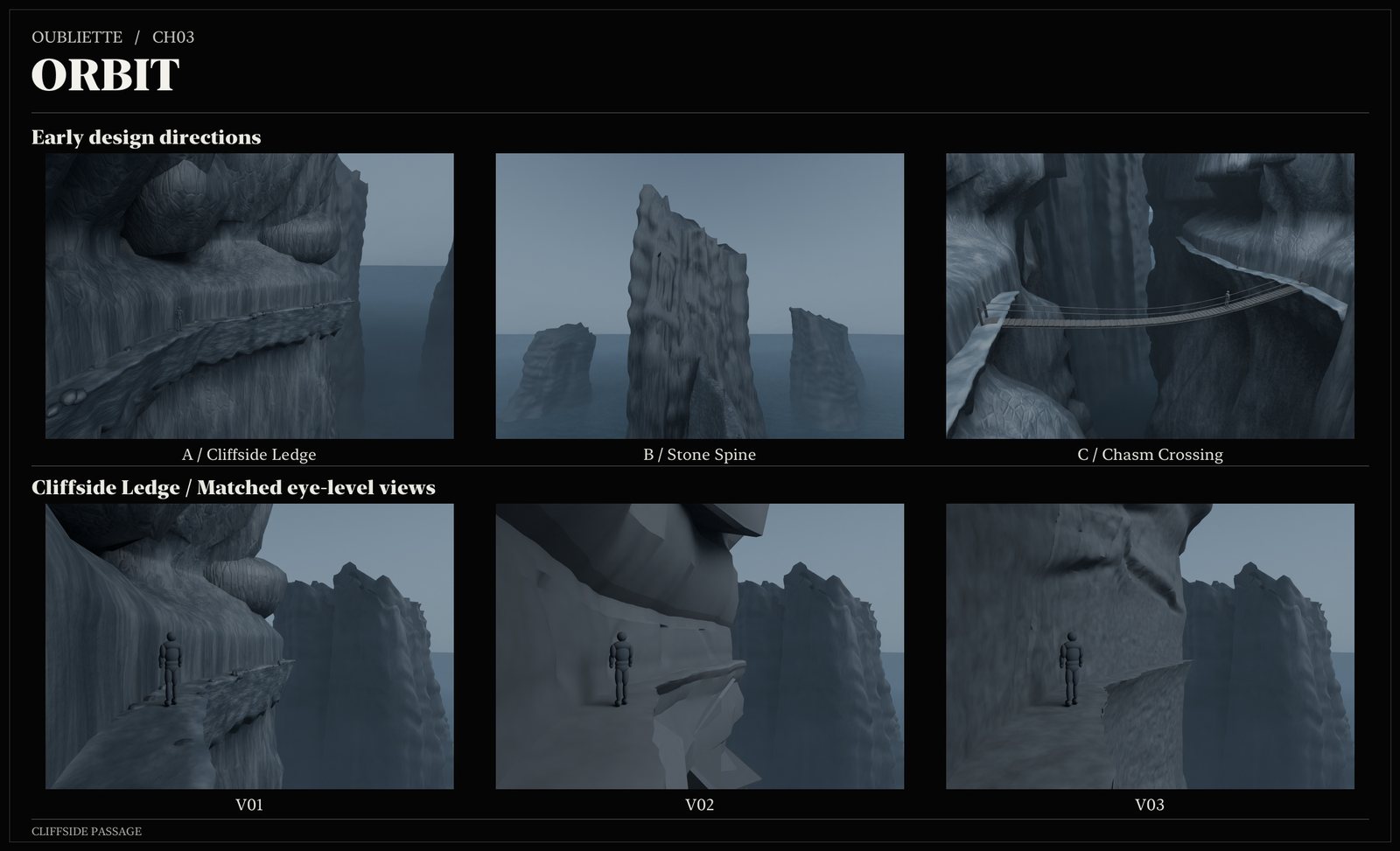
3D 空間研究過程圖|ORBIT 崖路方向比較(A/B/C 與 V01–V03)3D process study · ORBIT cliffside ledge exploration
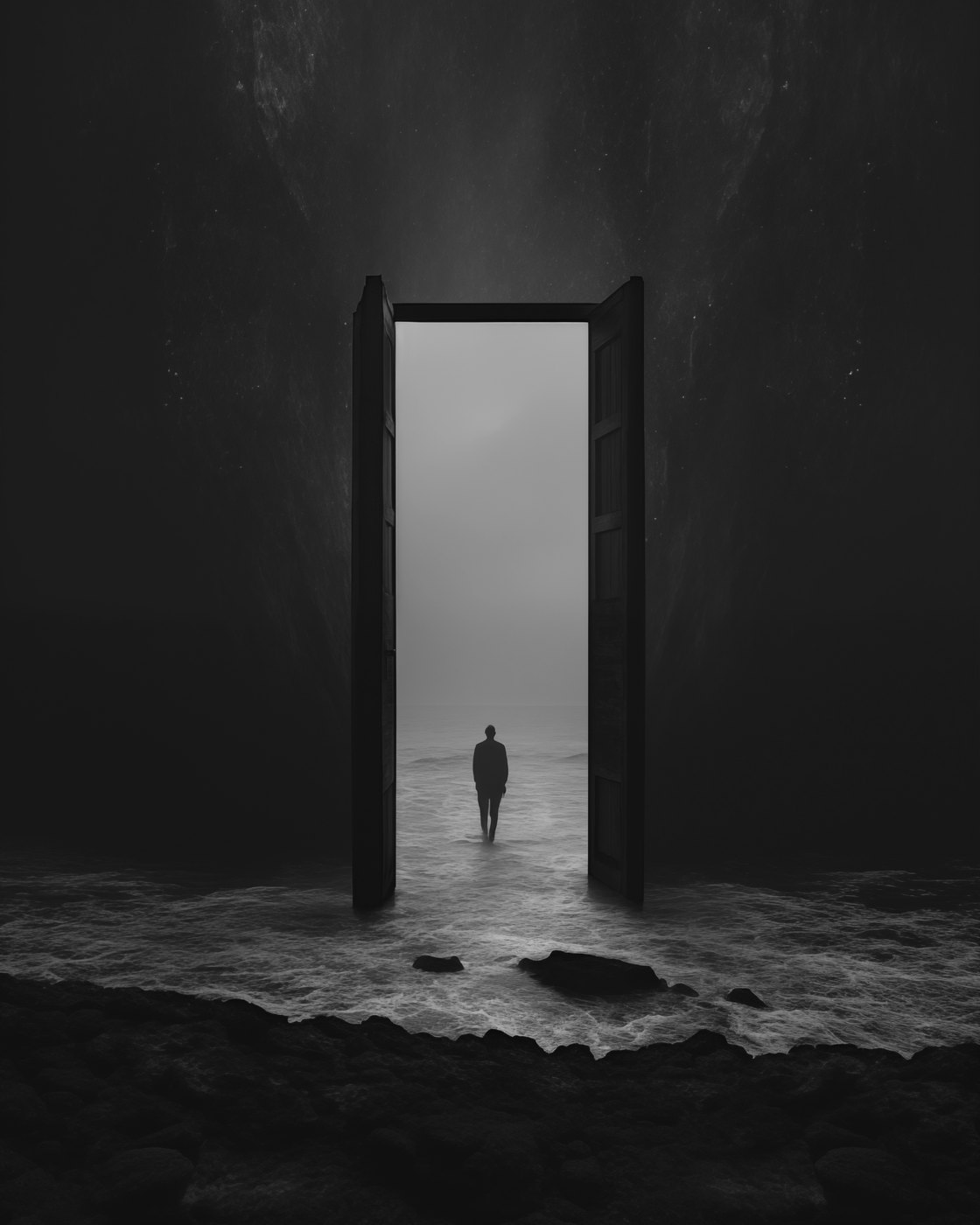
巨門視覺方向參考 · 待定兩種構想Doorway visual directions · Two pending options
表面是水平面的巨門
沿著懸崖窄路走到第三章盡頭,前面立著另一座更巨大的門。它的造型延續了上一章那道白色巨門的設計語言,但這回門洞的表面是一整片平靜的水平面。
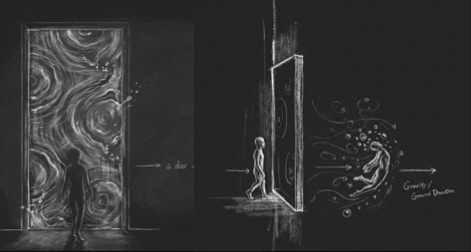
這個反常的水面讓觀眾感覺到,門後物理世界的方向跟眼前是垂直的,跨過去就會進到法則完全不同的另一個維度。窄路到此為止,觀眾只能跨進這面水平面,穿過去的瞬間就像直接掉進海裡,原本在腳下的重心一下轉到正前方。
The water-surface doorway
At the end of the cliffside path stands another massive doorway built in the same design language as the tall white door from Chapter 2, only even more imposing. Uncannily, its surface is a flat horizontal plane of water.
That still water surface hints that the world beyond it sits perpendicular to where they stand, governed by completely different physical laws. With the ledge ending here, the audience steps across the water plane. Passing through feels like falling straight into the sea as gravity shifts from beneath their feet to straight ahead.
歷史研究圖版 · 2026.07 水門正面與側視草圖Archival study (2026.07) · Front and side water threshold diagram
Chapter 04
OUBLIETTE
The Abyss Descent
本章音樂Chapter music
歷史研究圖版 · 2026.07Archival study
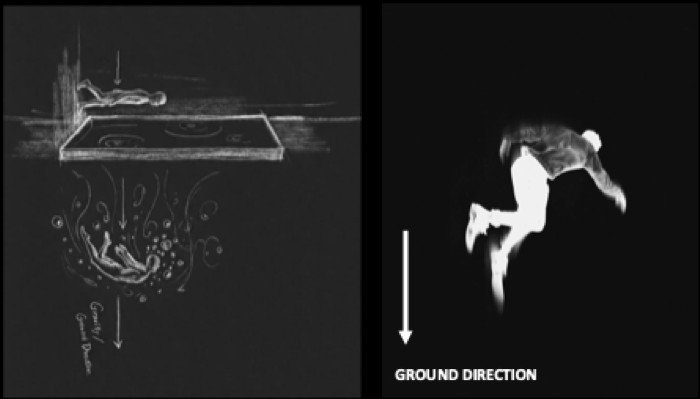
重力旋轉與原地靜止下沉
穿過水平面之後,空間和視角平順地旋轉九十度,原本拉到正前方的重心慢慢轉回觀眾腳下。觀眾進到一片幽暗的深海空間,以非常緩慢的速度開始往下降。
這一段不需要走動,觀眾只要站在原地,身體就會被虛擬空間帶著一路往下沉。在前面幾章持續步行之後,這裡讓身體稍微停下來,靜靜感受自己正沉進深海裡。
Gravity rotation and stationary descent
Just after crossing the water plane, the space and camera rotate smoothly by ninety degrees. Gravity slowly settles back beneath the audience’s feet as they enter a dark ocean space and begin sinking downward at a slow, steady pace.
No walking is required here. The audience simply stands still in place while the virtual space carries them down into the depths. After the continuous walking of the earlier chapters, this gives their body a quiet pause.
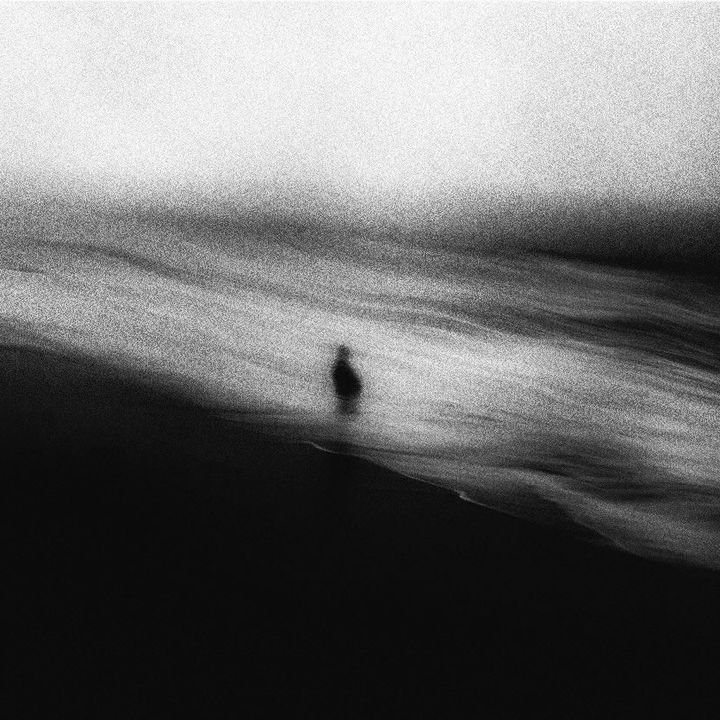
一起下沉的殘肢與遠處低頻心跳
往下沉進黑暗水域時,觀眾會看見身邊還有其他殘塊跟著一起落下去,像剛才在海面見過的人體碎塊,一隻手、一隻腳,在周圍慢慢往下沉。
同時,遠處不斷傳來一記記沉重的低頻重擊,聽起來像非常緩慢、來自深處的巨大心跳。觀眾無法走動,只能在低頻聲響裡繼續沉往更深的海底。
Sinking fragments and a distant heartbeat
While drifting down through the dark water, the audience spots other fragments sinking alongside them, pieces like a hand or a foot reminiscent of the bodies seen along the ocean earlier.
At the same time, a massive, slow bass drop rolls through the water from far away like a huge, distant heartbeat. Unable to walk or change direction, the audience continues drifting deeper.
抵達深海底部的基座
緩慢下沉到海洋最深處的底部時,腳下浮出一片龐大而厚實的空間,像整座世界底下的基座。
下沉在觸底時輕輕停住,雙腳重新踩到實地。從這個巨型基座開始,觀眾可以重新邁開腳步,走進第五章。
Reaching the Foundation at the bottom
At last, the slow descent brings the audience all the way to the ocean floor. They touch down on a vast, solid Foundation space at the bottom of the dark sea.
The downward drift settles to a stop on solid ground. From this massive Foundation, the audience can start walking again into Chapter 5.
空間研究Spatial study
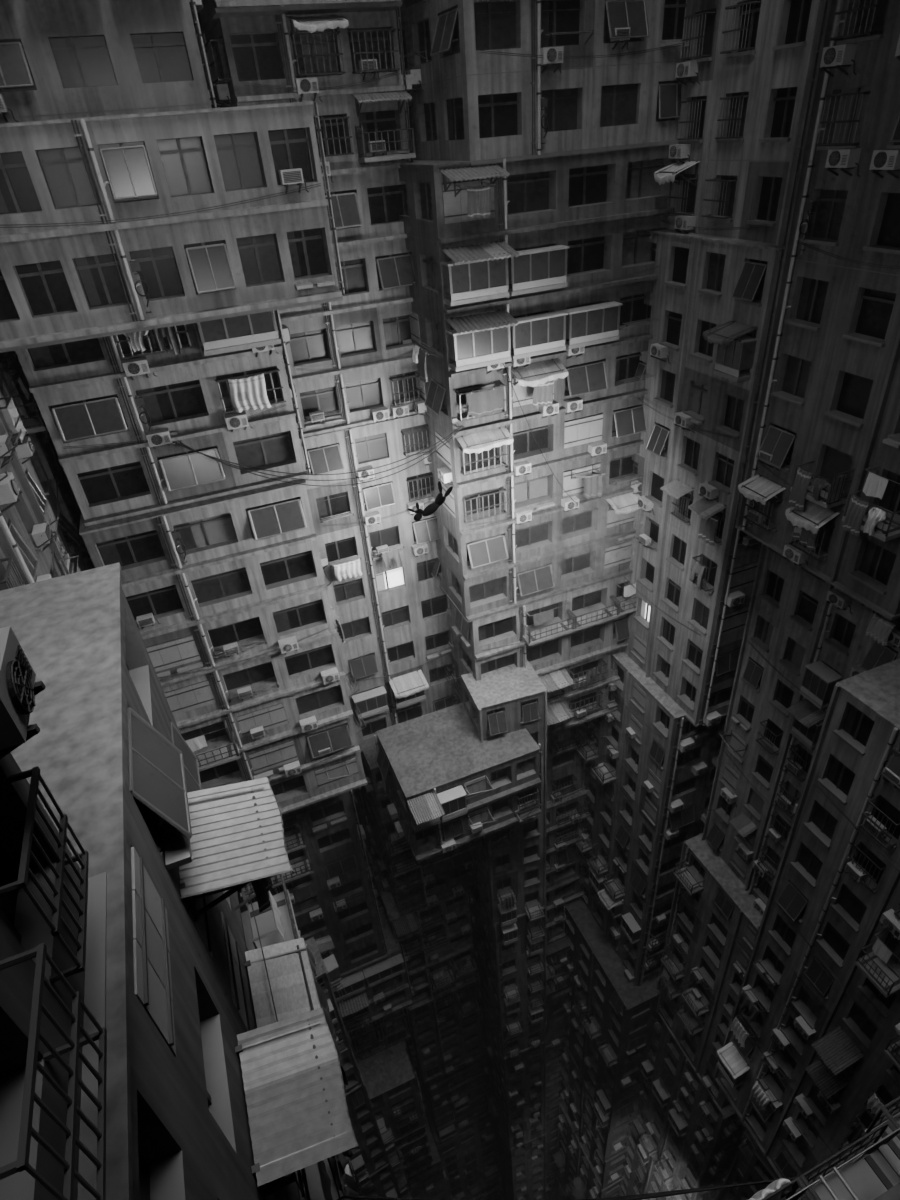
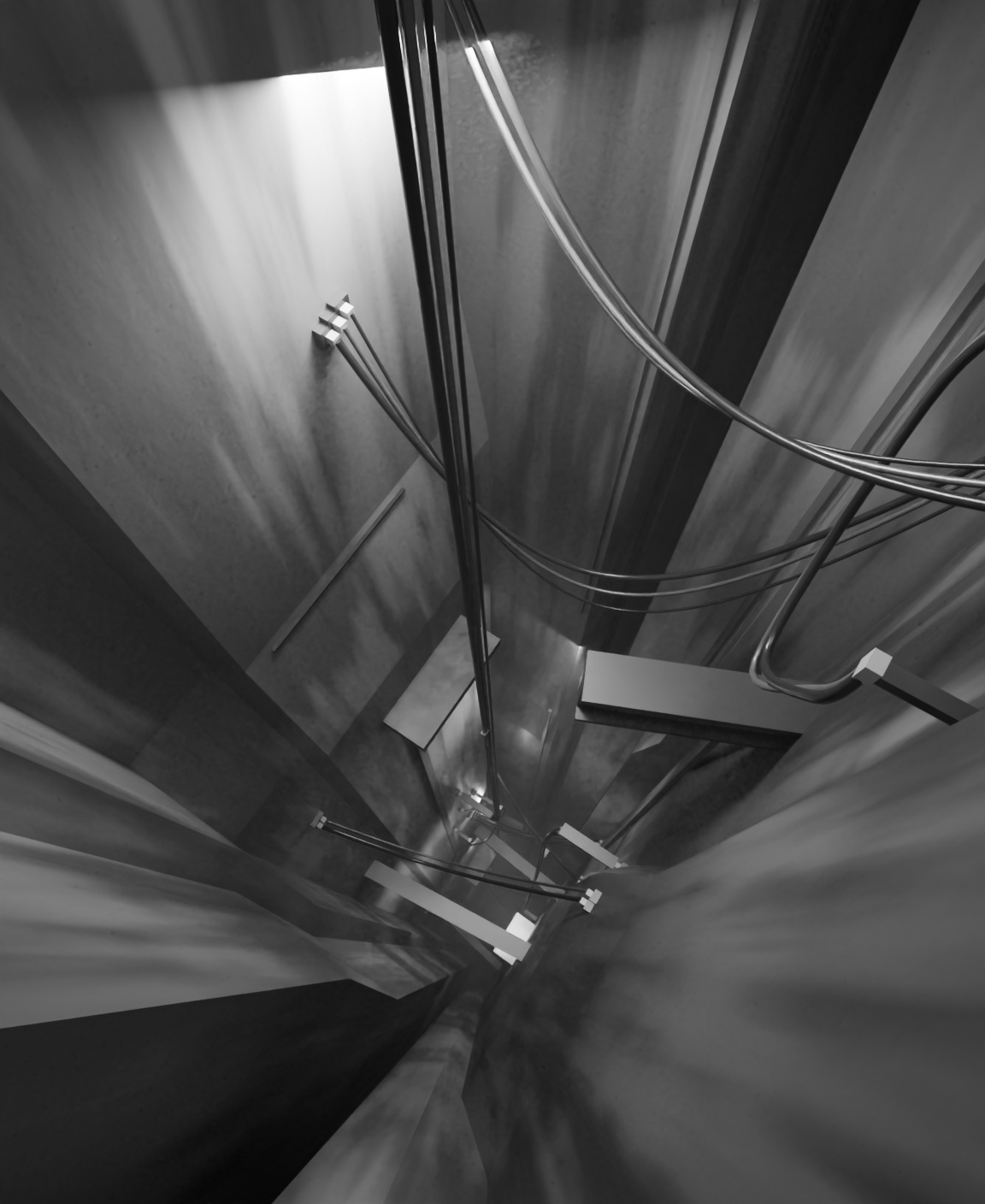
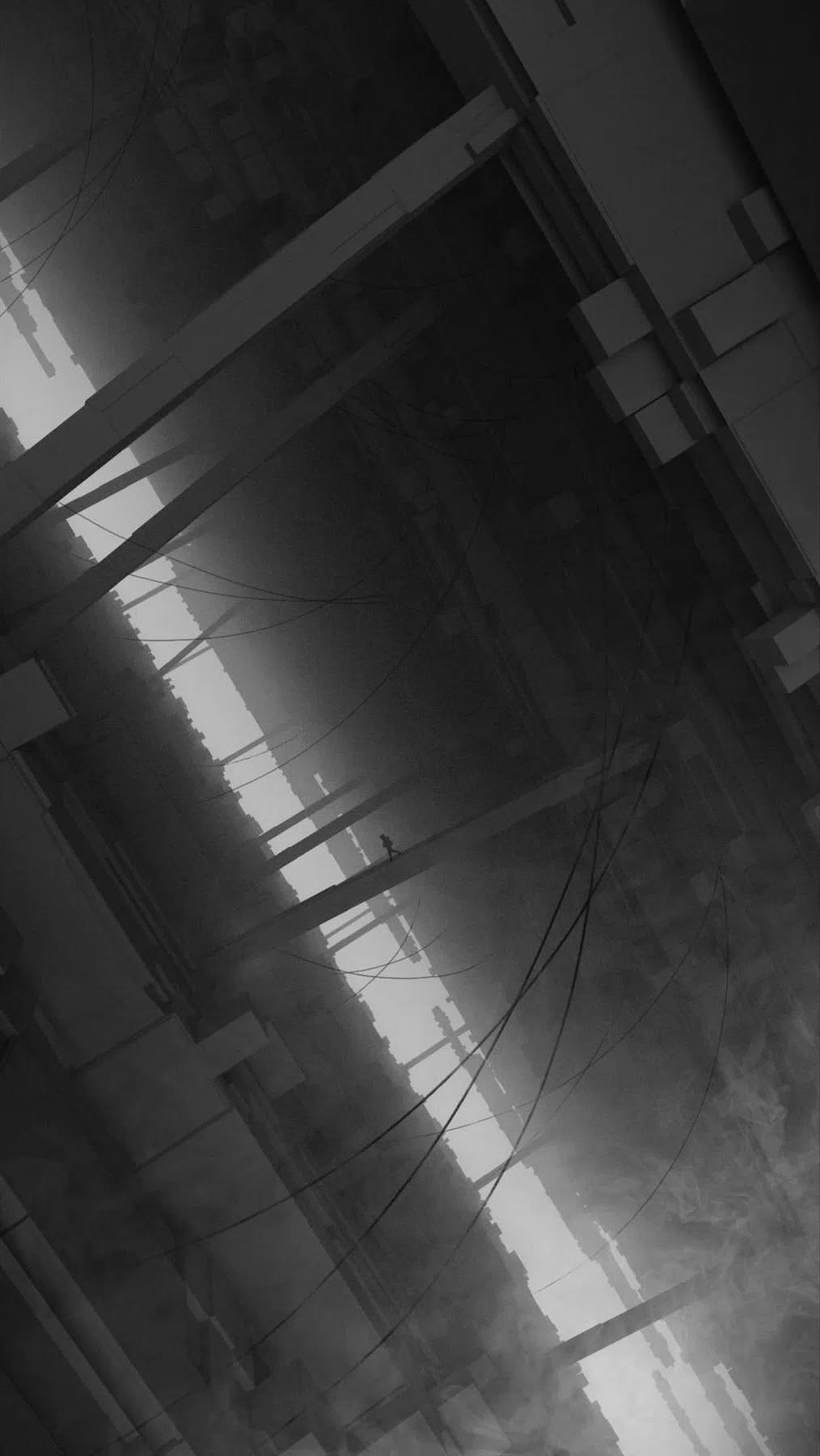
城市天井 · Urban Descent
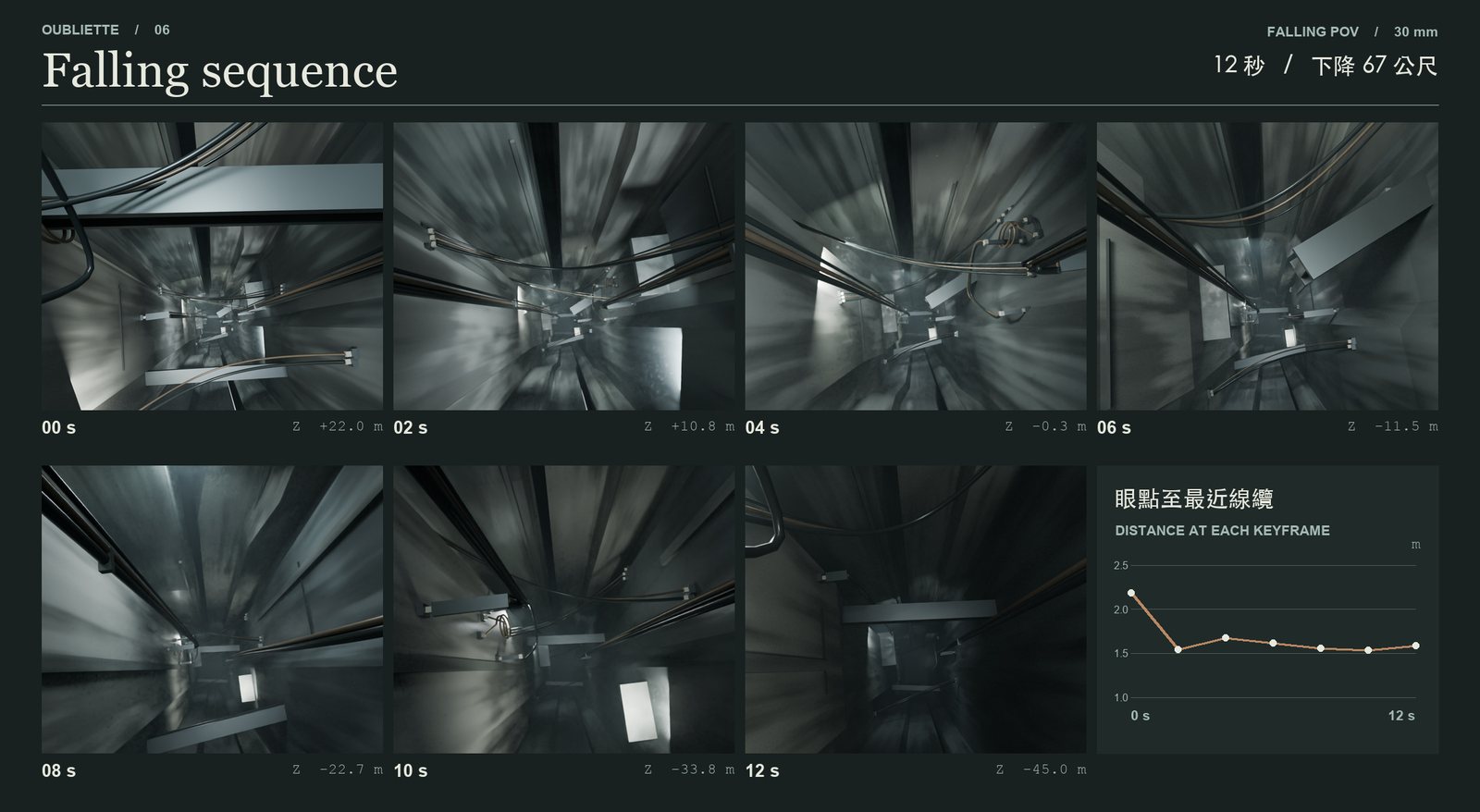
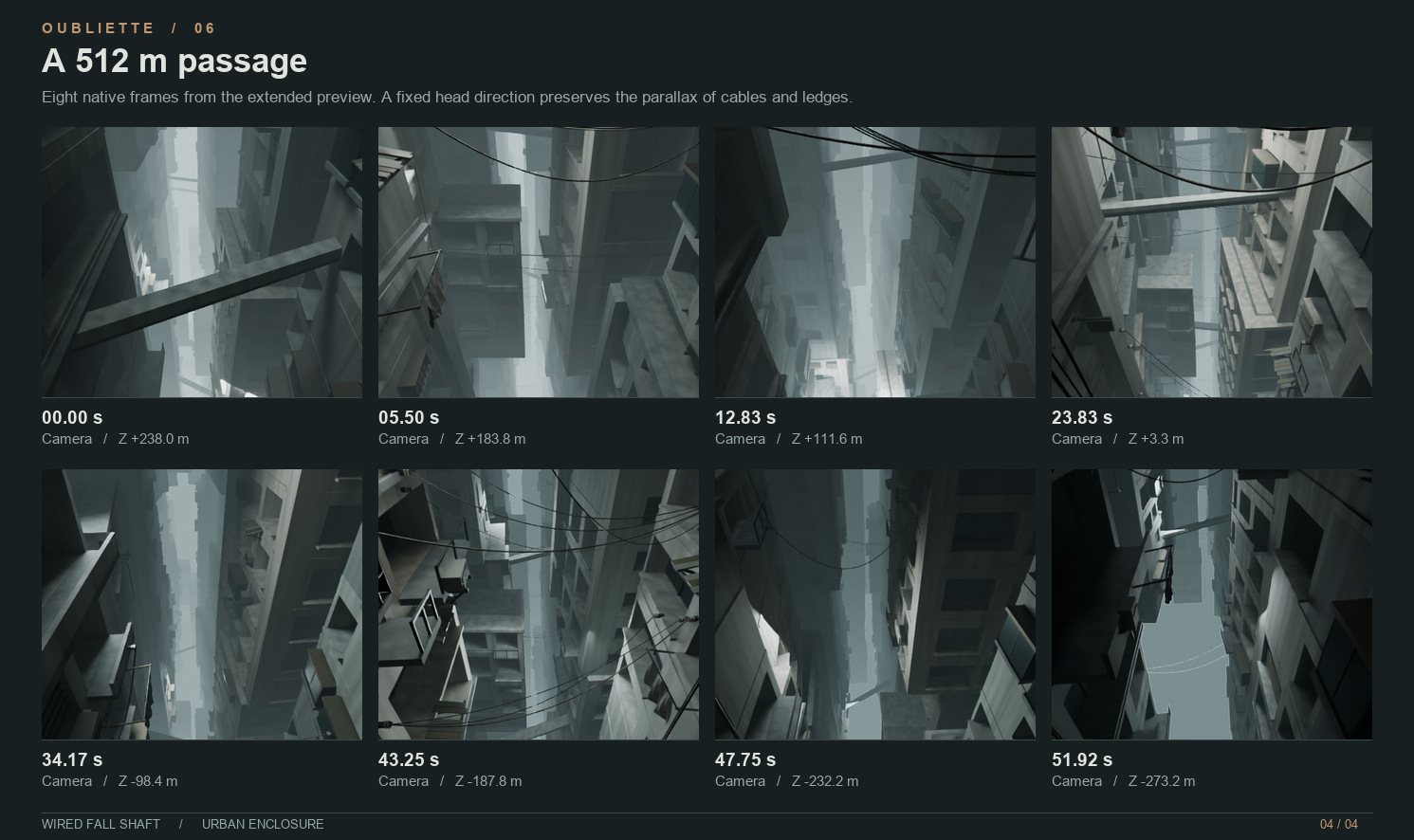
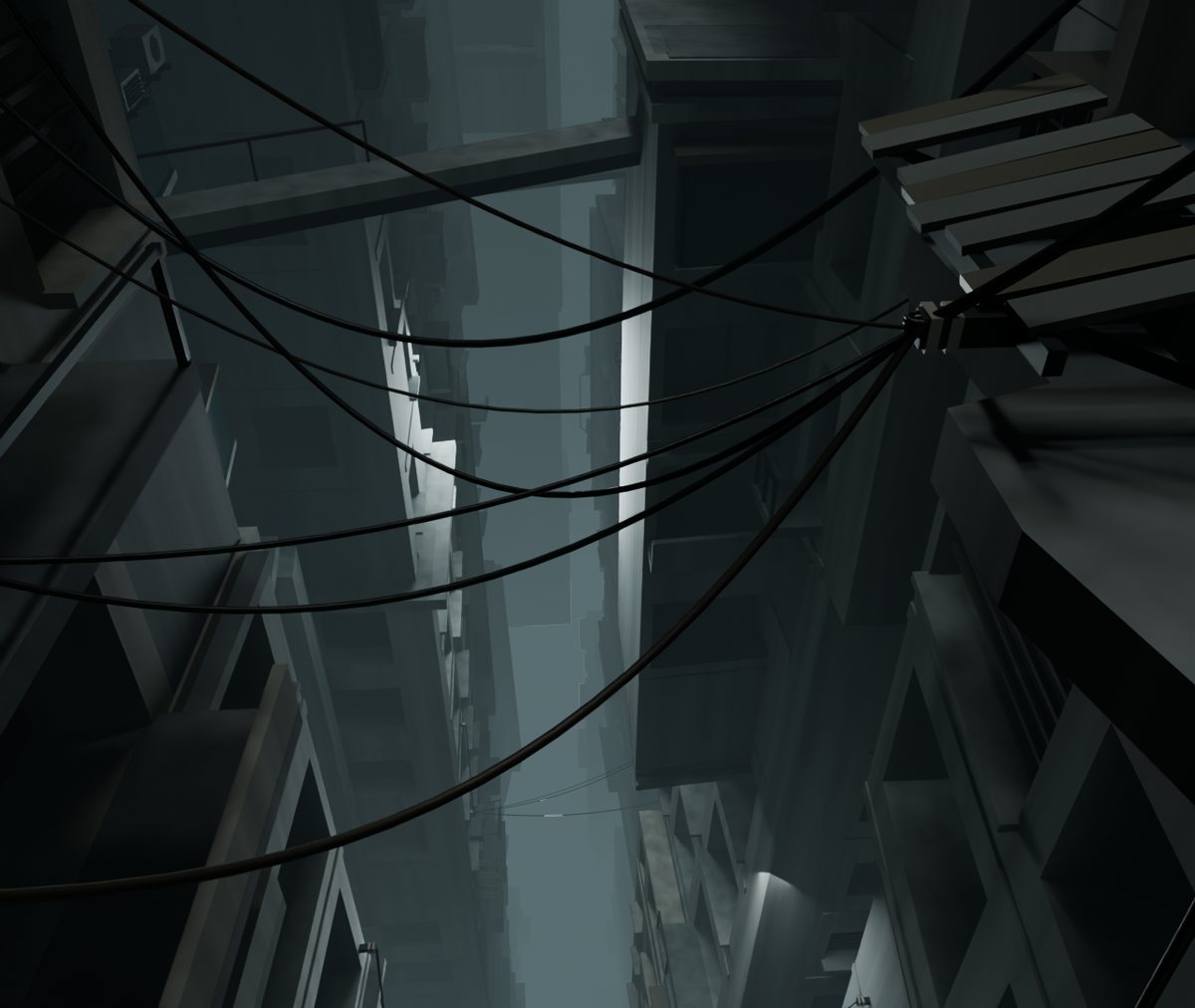
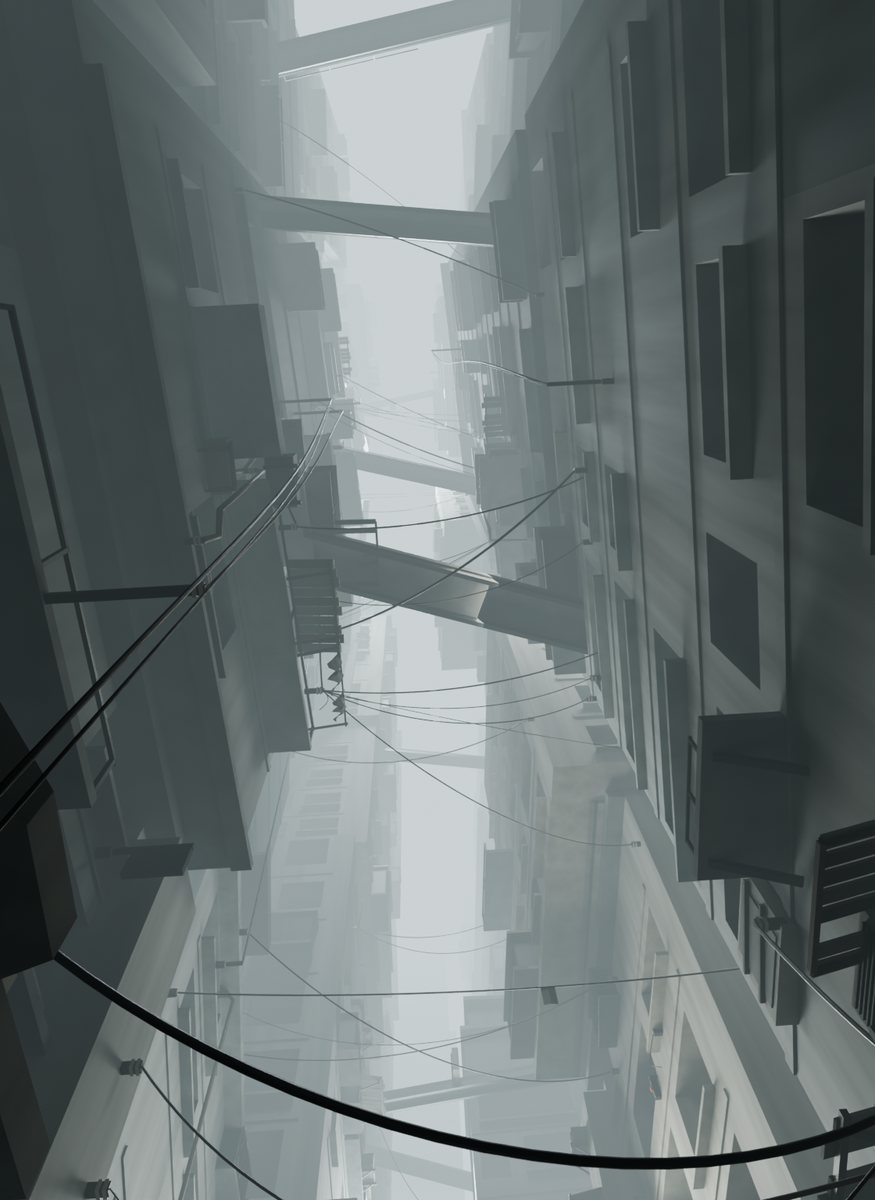
這是和深海下沉平行發展的另一組下降空間研究,起點設在密集都市高樓之間極深的夾縫裡。同樣讓觀眾原地站定不用走路,低頭面對看不見底的天井。身體慢慢降落時,一層層窗台、橫梁和懸掛電纜從眼前往上滑過,抬頭時頂端那道窄窄的天光已經退得很遠。
目前這組方案仍在平行研究中,它要怎麼跟第三章的水門、開闊水域和本章基座銜接,還保持開放。
Urban Descent
This parallel spatial study tests an alternate descent set inside a deep, narrow gap between dense city high-rises. Again, the audience stands still without walking and looks down into a bottomless urban shaft. During the slow drop, rows of window sills, concrete beams, and hanging cables slide upward level after level until only a thin strip of daylight remains far overhead.
This direction is still being developed alongside the deep-sea descent. How it might connect to the Chapter 3 water door, open water, and Foundation floor remains open.
3D 下降序列過程圖|Cable Shaft 與 Urban Enclosure 垂直測試3D process study · Vertical descent POV sequences
Chapter 05
ORCHARD
The Sacred Vault
本章音樂Chapter music
進入世界底下的巨型空間
離開基座往前走,觀眾踏進一座非常高聳、巨大又幽暗的地下空間。一列列巨型立柱往深處排開,尺度像大型地下排水系統,讓人感覺來到了這整個世界底下的基礎構造。地面同時排滿成行石棺,又像一座埋在地底的神殿。
這座空間非常遼闊,觀眾必須重新靠步行穿越其間,尋找下一個出口。
Entering the underground Foundation
Walking off the Foundation floor, the audience enters a towering, immense, dark underground space. Massive columns stretch into the distance with the scale of a vast underground drainage system, as if they have arrived at the structural Foundation beneath the world. Across the floor, rows of stone coffins fill the hall like a buried temple.
The chamber is enormous, and the audience has to walk on foot through it to look for the next exit.
歷史研究圖版 · 2026.07Archival study
懸掛的人體與禁忌感
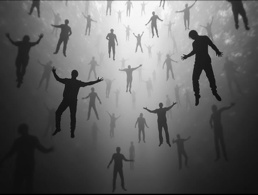
往四周和上方看去,除了地面的大量棺木,半空中還懸掛著許多靜止不動的人體,高處暗影裡也隱約有軀體垂掛或落下。
整個空間的尺度與靜謐像在直接告訴觀眾,這裡是一個神聖的地方,而觀眾根本不應該出現在這裡。
Suspended bodies in a sacred space
Looking around and overhead, countless motionless human bodies hang suspended in mid-air above the rows of coffins, with more figures hanging or dropping from the darkness above.
The sheer scale and stillness of the architecture tell the audience plainly that they have walked into a sacred space where they do not belong.
在不安配樂中穿越墓園並認出後台畫面
現場令人不安的音樂不斷催促著,讓觀眾強烈感覺自己必須儘快離開這座巨大的地下墓園,只能加快腳步穿過石棺與懸掛的人體之間去找出路。
走過成排棺木與人體時,觀眾第一次把先前的線索連了起來。他們立刻認出,第二章後台海市蜃樓裡看見的那一幕,有一部分正是來自這裡。這讓觀眾忍不住開始懷疑,難道之前遇見的那些人影,以及海面上載浮載沉的人體,全都是從這裡來的嗎?自己是不是正一步步接近這一切的源頭?
Crossing the graveyard and recognizing the mirage
Through the unsettling musical score, the audience feels an urgent pull to leave this giant underground graveyard as soon as possible. They walk through the rows of coffins and beneath the suspended bodies in search of an exit.
Moving among the coffins and suspended figures also brings the first real connection. The audience recognizes that part of the mirage they saw backstage in Chapter 2 came directly from this chamber. It makes them wonder whether this is the source of the entities and all the bodies floating in the sea.
抵達高塔之底
懷著想儘快離開這個神聖禁地的念頭,觀眾一路穿過整座地下神殿與墓園,終於在盡頭找到一座拔地而起的巨大高塔。
觀眾走進高塔底部中央,背後成排的巨柱和石棺全退到身後,準備進入第六章。
Reaching the base of the tower
Eager to get out of the forbidden space, the audience walks all the way through the underground temple and graveyard until they reach the base of a colossal tower rising into the dark overhead.
Stepping into the center at the foot of the tower leaves the columns and coffins behind and leads into Chapter 6.
Chapter 06
OSSUARY
The Ascension
本章音樂Chapter music
歷史研究圖版 · 2026.07Archival study
在納骨塔底向上抬升
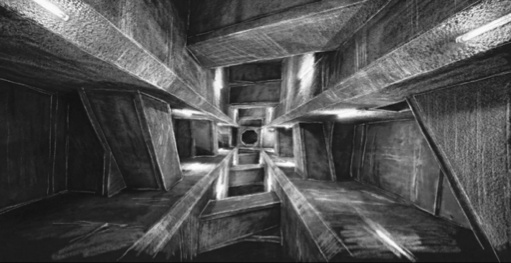
觀眾站在高塔最底下。裡面像一座巨大的靈骨塔,挑高得像鐘樓內部,兩側是一排接一排往上延伸的對稱龕位。在納骨塔的不同位置,空間裡散布著幾段聽起來各自獨立的環境音景,實際上是從第七章主題曲拆散開來的分離音軌。
這一章觀眾同樣不需要走動。人一站在塔底,就像搭上無形電梯,或是被某股看不見的力量往上吸上去,身體平穩緩慢地往上升,一層層結構不斷從身旁往下滑過。
Rising inside the ossuary
The audience stands at the bottom of a huge columbarium that resembles the inside of a bell tower, lined with symmetrical rows of niches rising overhead. Scattered across different spots inside the tower are separate layers of ambient soundscape. Each layer sounds like its own standalone ambience, though they are actually separated stems split apart from the main theme of Chapter 7.
Again, the audience does not need to walk. Standing still at the base, they begin rising slowly upward as if riding an elevator or being pulled up by an unseen force. Row after row glides smoothly past below.
脫離感、分軌聚合與假結局
這段緩慢往上升的過程,讓觀眾產生一種抽離和超脫的感覺,像正從底下那個陰暗沉重的空間裡被帶離出來。隨著身體不斷往高處抬升,原本散落在塔內各處的分離音軌也漸漸向一起靠攏、逐層疊合。
越接近塔頂,頂端的光就越亮,四周原本零散的聲響也慢慢匯聚起來。這個明亮的出口會製造出假結局的錯覺,讓觀眾誤以為升到最頂端之後,就能真正離開這個維度,結束這趟旅程。
Detachment, converging stems, and the false ending
This slow vertical rise is meant to give the audience a feeling of detachment and transcendence. It pulls them up and out of the dark underground chambers below. As the audience ascends higher through the tower, those separate stems scattered around the ossuary begin to draw closer and blend together layer by layer.
As they approach the top, bright light pours down from above while the scattered sounds gradually build into one unified piece. That glowing summit creates a false ending, briefly convincing the audience that reaching the top will finally let them leave this dimension.
塔頂白光與空間轉換
升到高塔最頂部時,一片刺眼的白光包住整個視野,塔壁和腳下的站立感隨之消失,畫面短暫失焦。也在這一刻,塔裡原本分散的各條分軌徹底合而為一,變成第七章完整的草原主題曲,帶著觀眾順著這股聲響接進下一個空間。
等視線重新清楚,空間已經再次轉換。最先看見的是一道壓得很低的地平線,低頭一看,腳下全是草。
Transition at the summit
At the very top of the tower, bright white light fills the entire view. The tower walls and the ground beneath their feet disappear, and vision briefly goes out of focus. At that exact moment, the separated stems finish merging into the complete grassland theme of Chapter 7. The music carries the audience straight across into the next space.
When vision clears, the space has transformed once again. First comes a low horizon. Looking down, the audience sees grass under their feet.
Chapter 07
OBLITERATION
The Ultimate Reversal
本章音樂Chapter music
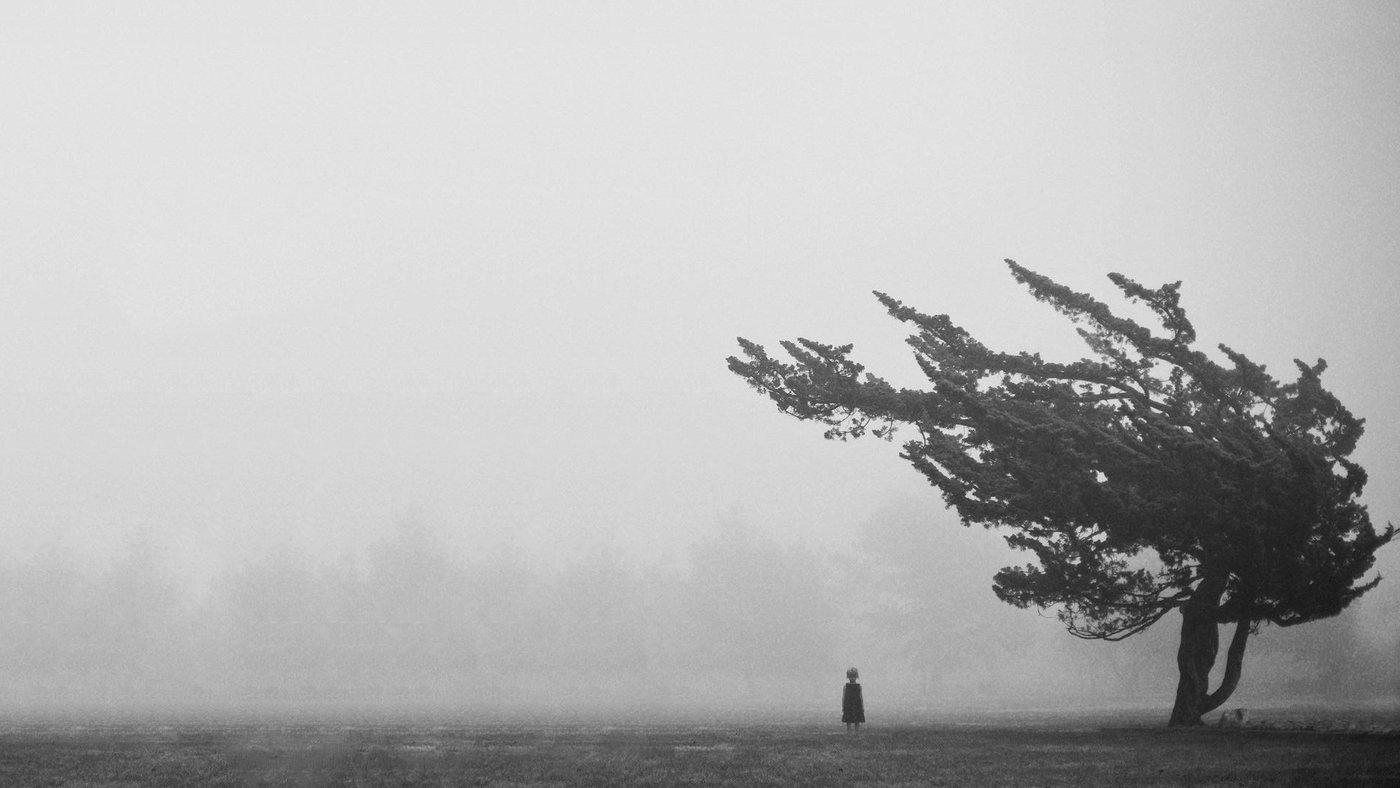
站在陰森空曠的大草原與孤樹前
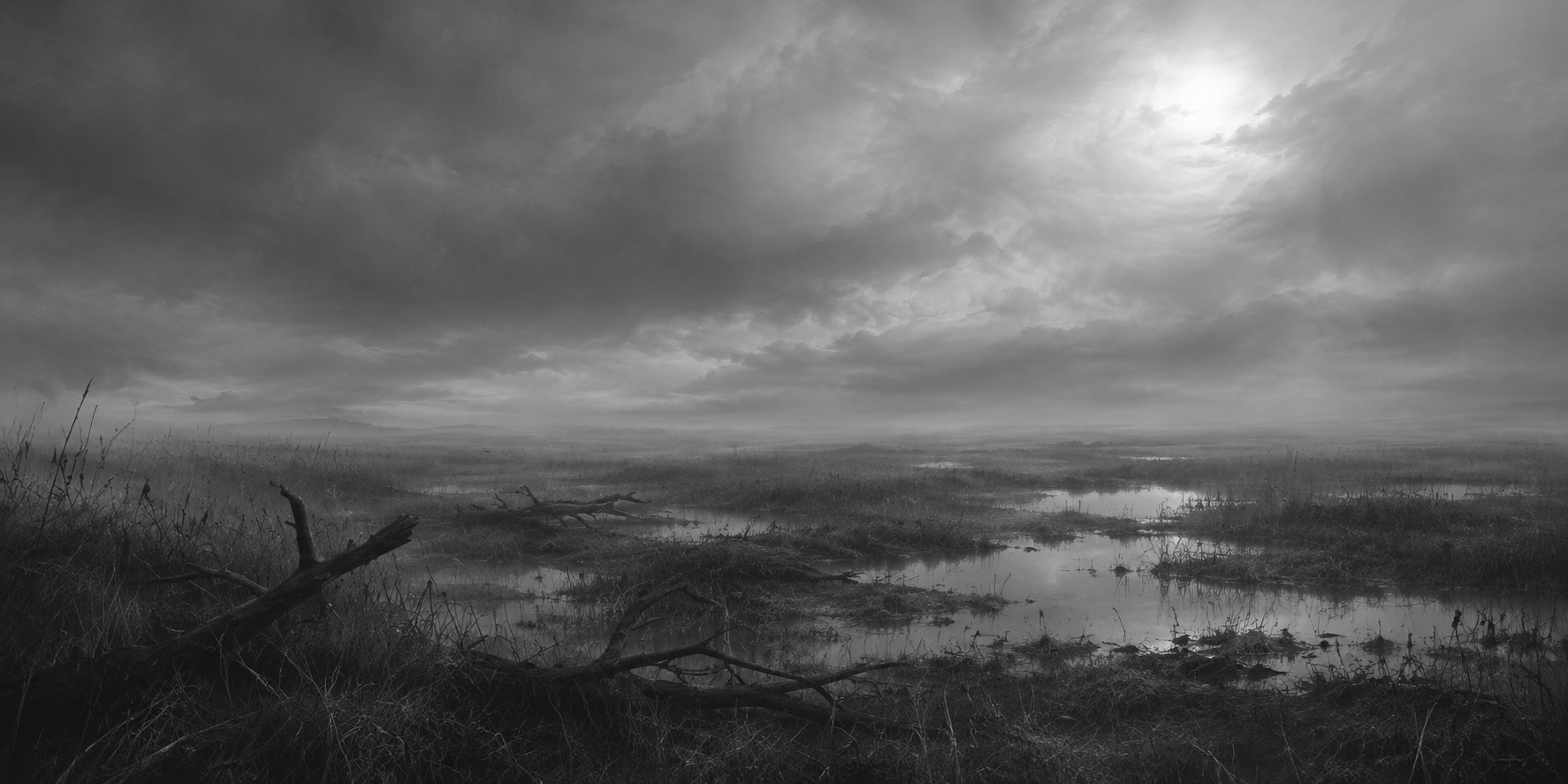
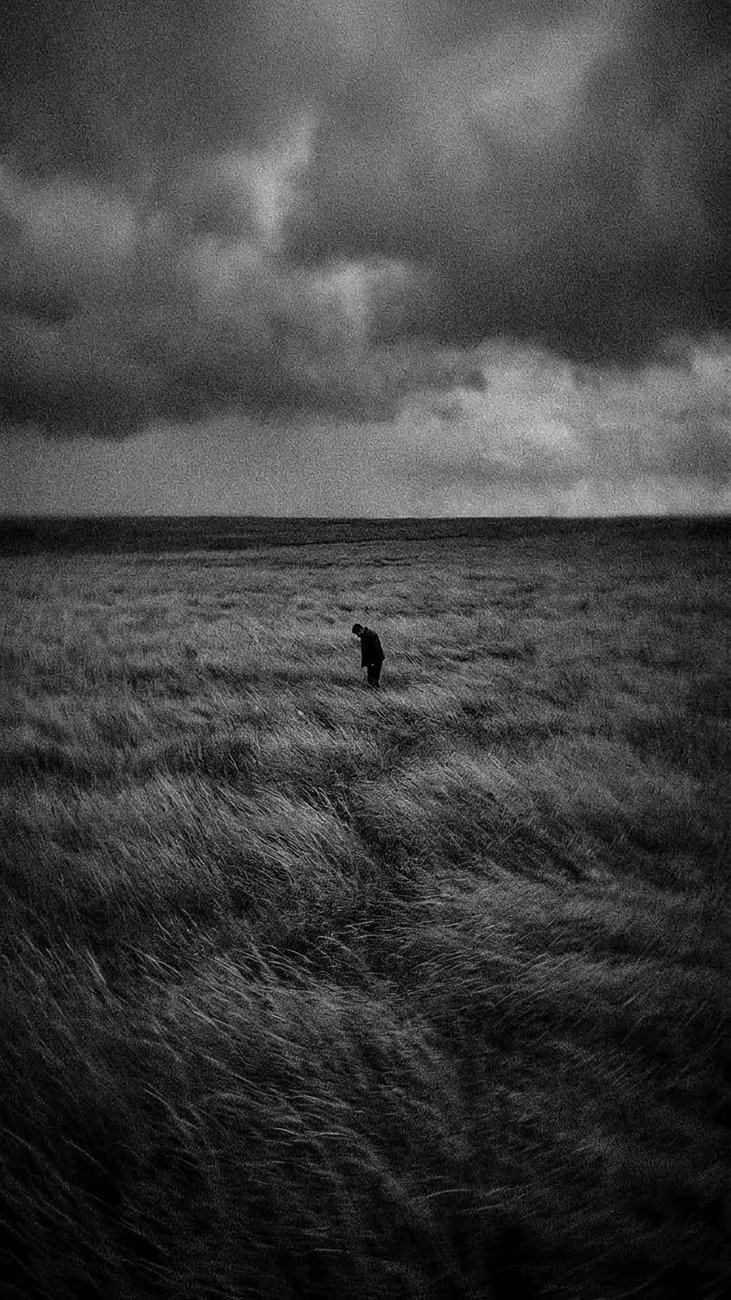
從塔頂出來後,觀眾發現自己正站在一片陰森、幽暗又看不到邊界的大草原中央。天色壓得很低,及膝高的草往四面八方鋪開,強風斜著吹過,把整片草都壓向同一側。
眼前沒有牆壁或走廊包圍。觀眾迎著風站穩、望向開闊的四周尋找方向時,會在不遠處的迷霧裡看見一棵孤伶伶的詭異孤樹,被風吹得朝一側彎折扭曲,正是在開場失焦幻覺裡曾一閃而過的畫面。
The overcast grassland and the lone tree
Emerging from the top of the tower, the audience finds themselves standing in the middle of an eerie, dark, open grassland with no visible edge. Under a low overcast sky, knee-high grass spreads out in every direction while strong wind presses the entire field to one side.
With no walls or corridors left around them, the audience steadies themselves against the wind and scans the plain. Out in the mist stands a lone, wind-twisted tree bent sharply to one side, the exact silhouette that flashed past during the Opening hallucination.
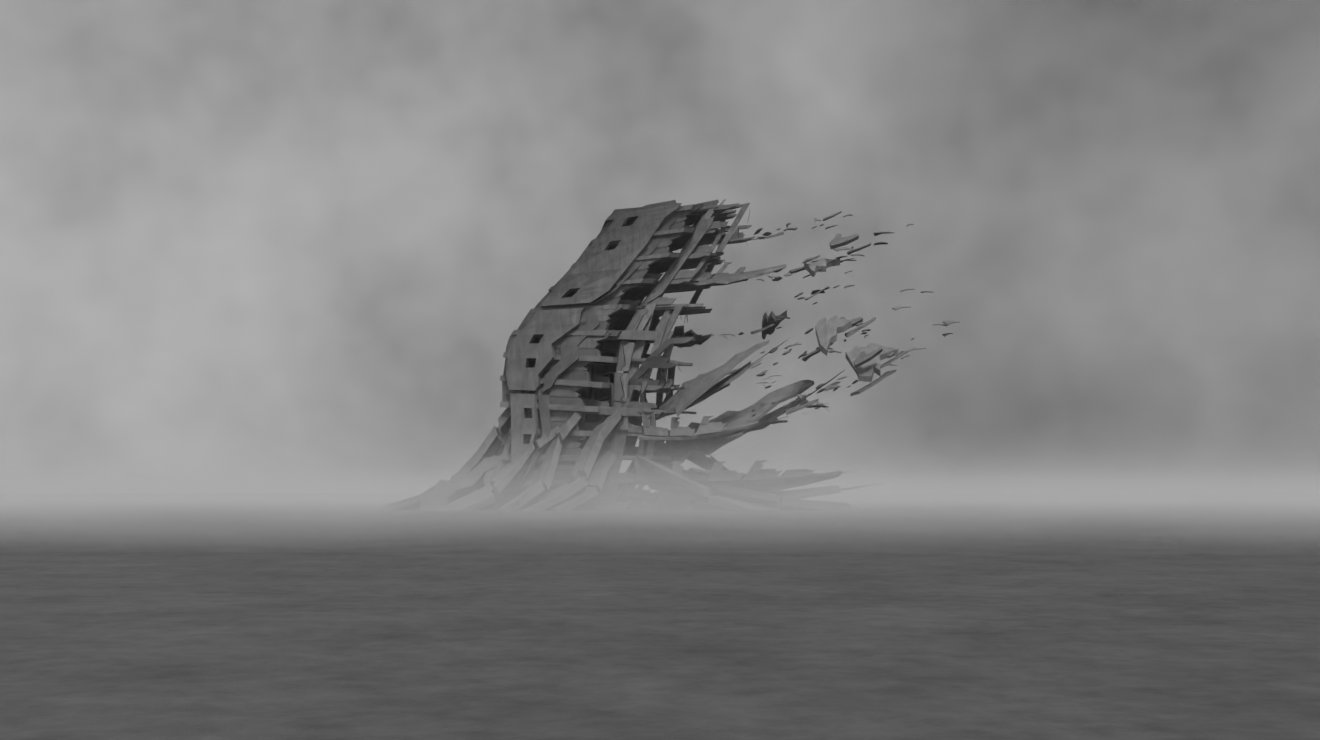
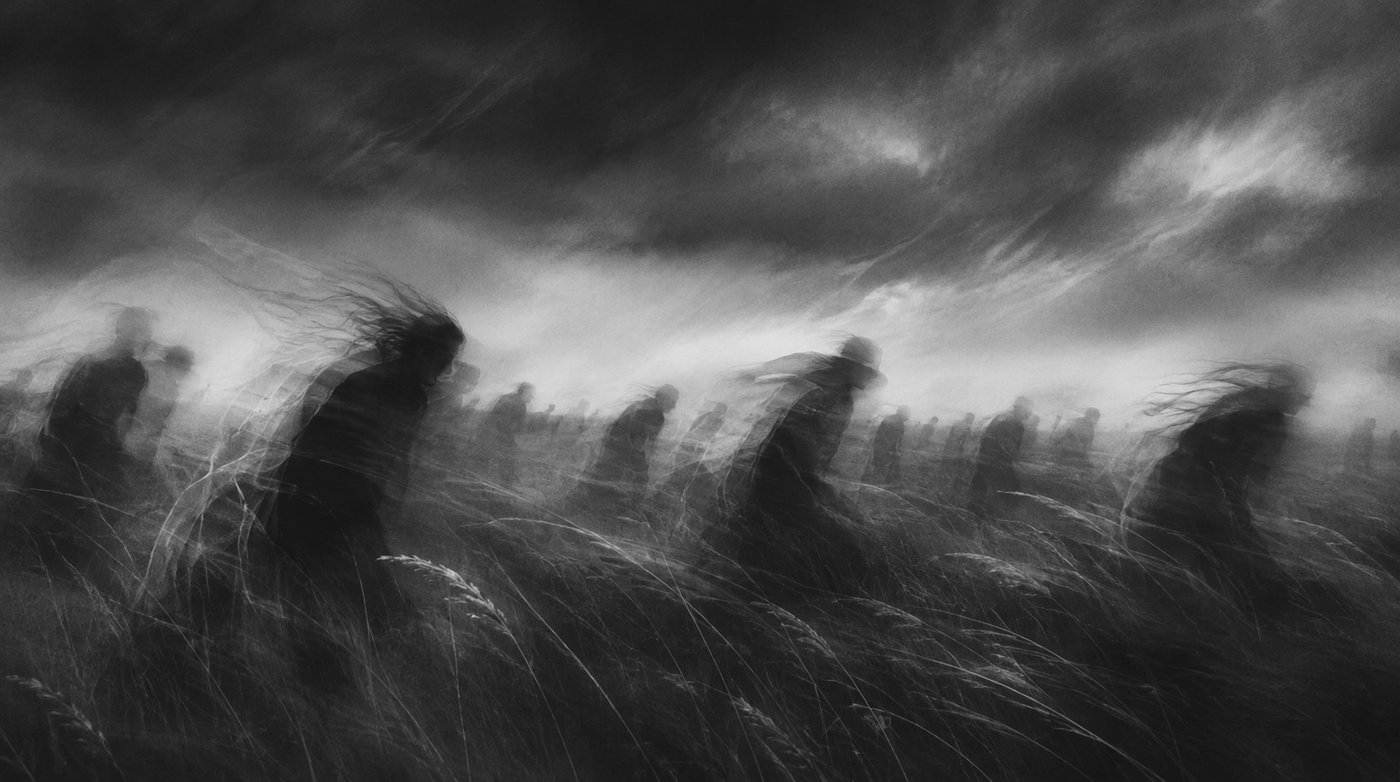
風中靜止的建物與無數黑影
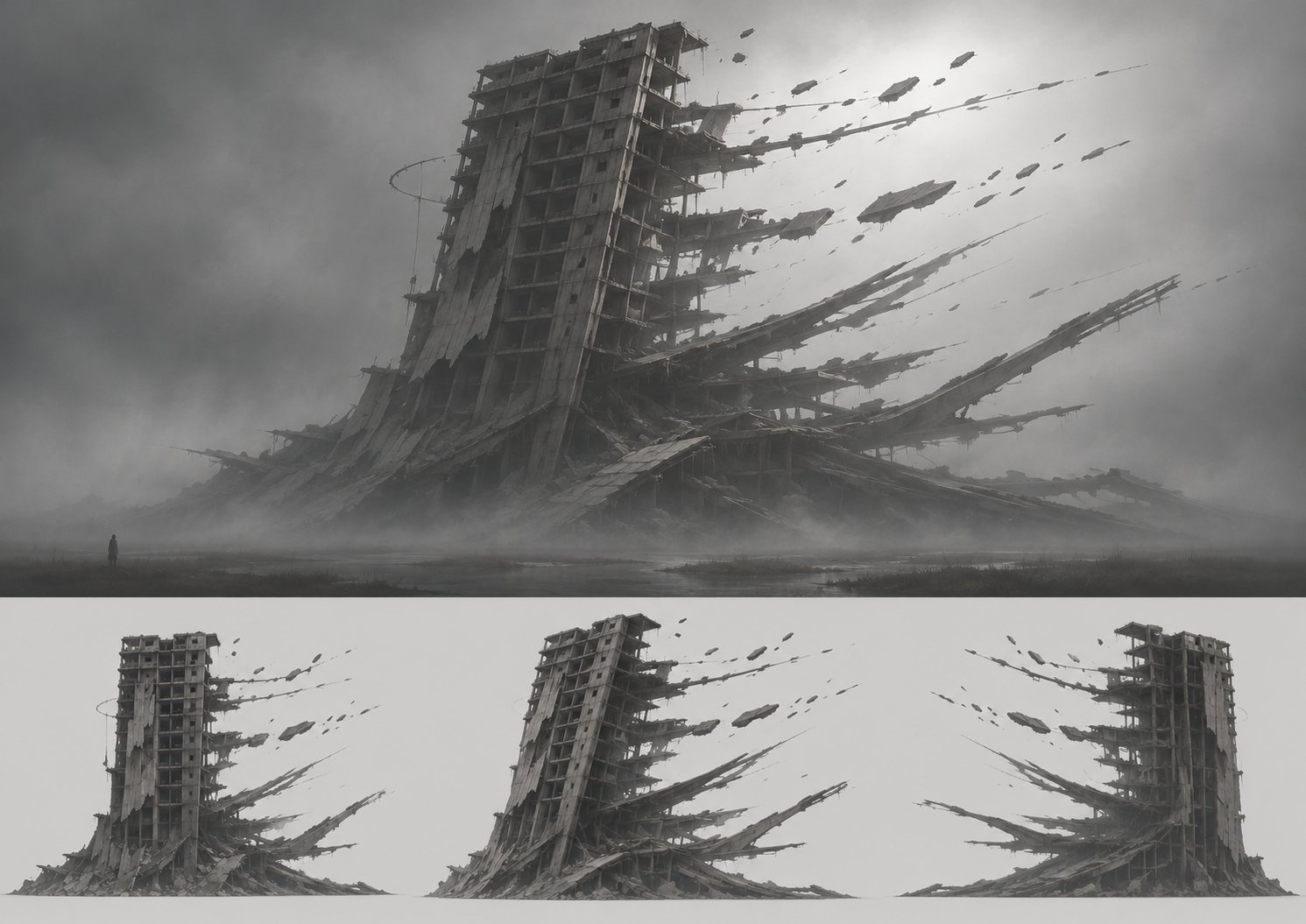
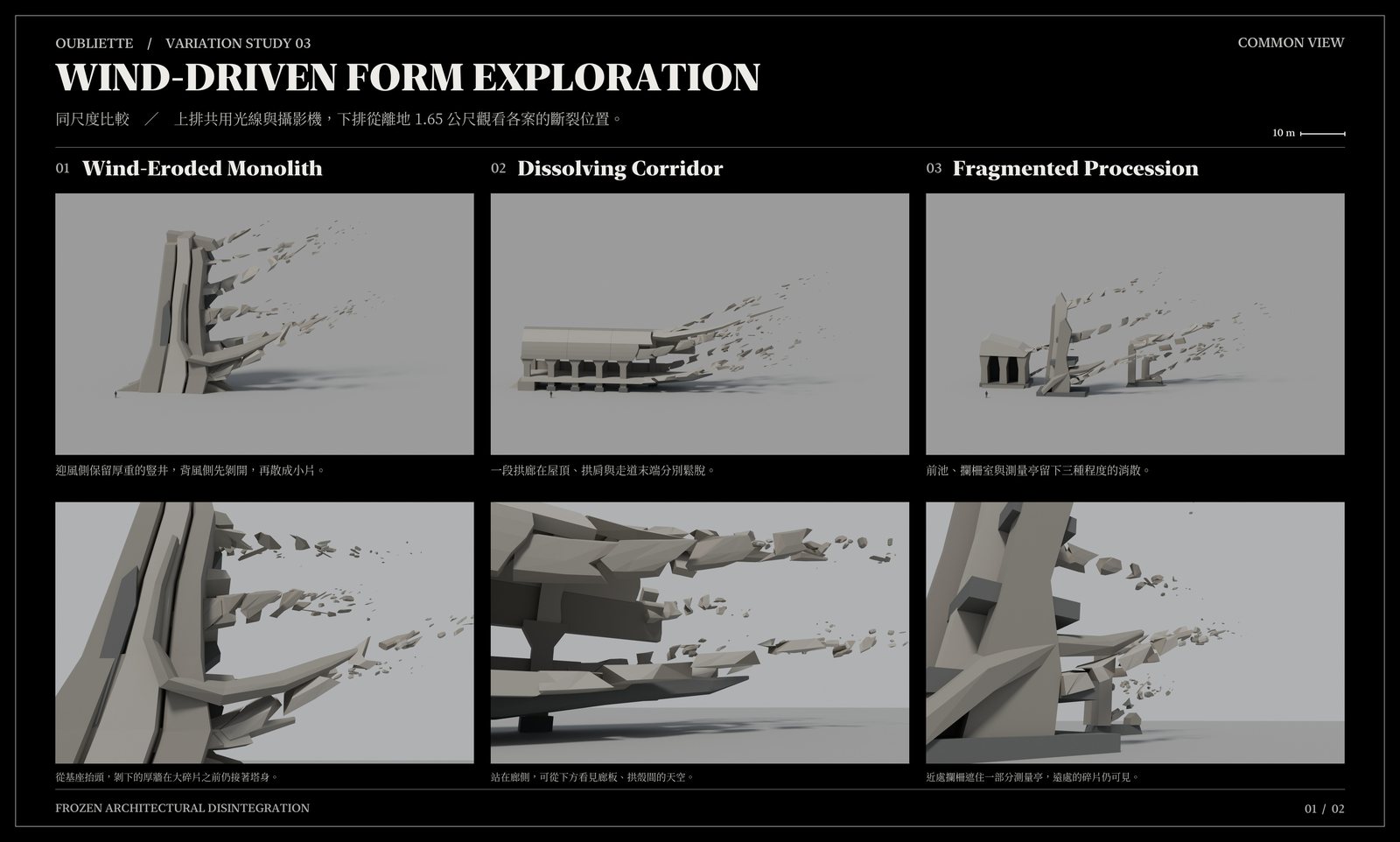
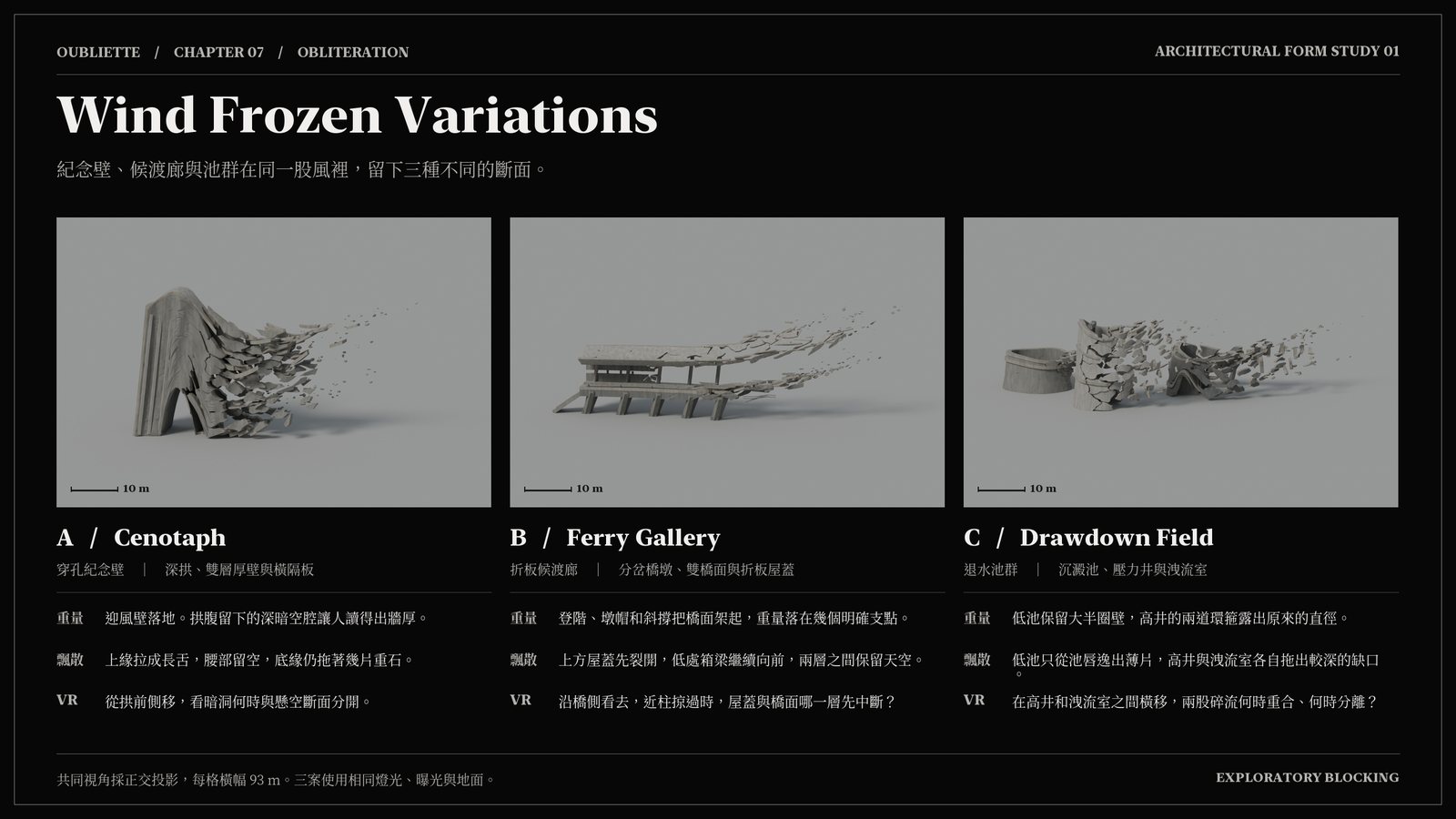
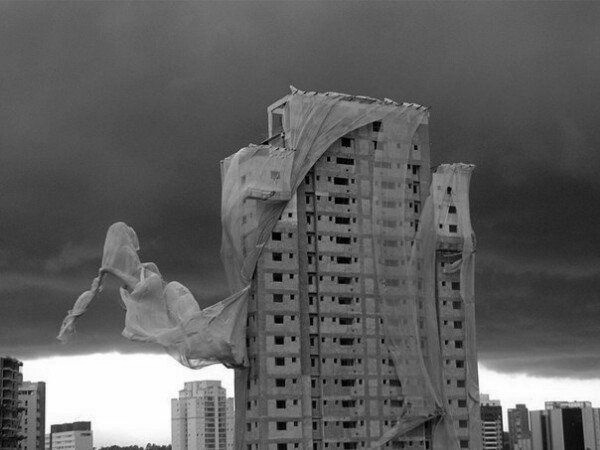
往大草原遠處看,立著幾棟死寂殘破的建物。裸露的骨架和樓板全都扭向同一側,像被強風吹蝕了好多年,周圍的草不停翻湧,它們卻像失去時間一般靜止停在半空。
近處的草原上站滿了大量暗色而模糊的人影,看不清面孔。有些壓低身子頂著風緩慢移動,有些就停在原地看著觀眾。遠處建物的歪斜姿態和眼前人影幾乎一致,這個異常的景象吸引觀眾開始往前邁步。
Frozen ruins and countless dark figures
Far across the grassland stand several dead, weathered buildings whose exposed frames and slabs twist to one side as if worn down by years of strong wind. Grass surges nonstop around them, yet the bent structures hang motionless in the air outside of time.
Much closer, countless dark, blurred human figures stand across the plain, too indistinct to show any faces. Some lean into the wind and advance slowly. Others stand still and seem to watch the audience. Seeing those figures mirror the twisted posture of the distant ruins pulls the audience to step forward.
3D 形體與概念發展過程圖|風中建築解體系列研究3D process & concept study · Wind-frozen architecture
觀眾一往前,人影便驚恐逃離
觀眾剛開始往前走,整部作品最後的反轉就展開了。這些在第一章曾經讓觀眾感到壓迫的人影,現在表現得極度想逃離觀眾、想遠離觀眾。觀眾才靠近幾步,原本靜止或緩慢移動的人影就紛紛轉身避開。
觀眾每往前邁出一步、每轉一次方向,周圍的人影就像因害怕而四散逃開。這時觀眾逐漸明白,這些存在並不想讓觀眾待在這裡,因為觀眾在這個空間裡像一個異類,自己的出現正在破壞他們的環境。
Figures flee in fear as the audience advances
The moment the audience walks forward, the final reversal begins. The entities that felt threatening back in Chapter 1 now act desperate to flee and stay away from the audience. After just a few steps closer, figures that were standing still or pushing into the wind turn and move away.
Every step and shift in direction sends the surrounding figures retreating in fear. The audience begins to realize these entities do not want them here. Inside this world, the audience is the outsider whose presence disrupts their space.
步步逼近草原盡頭的懸崖
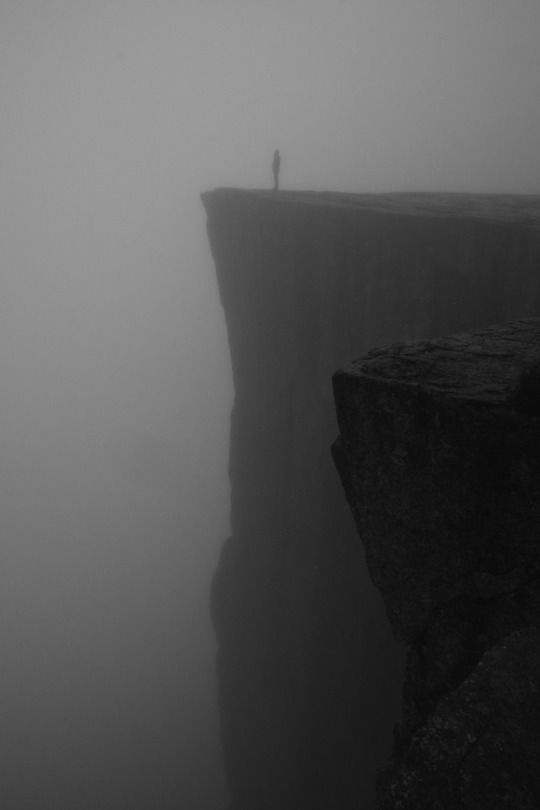
觀眾頂著風一直往前走。走了很長一段路後,身後的起點已經認不出來。前方不斷往後退避的人影越聚越密,能逃的空間越來越窄。
等觀眾再靠近一點,才看見人群已經被逼到了草原突然斷開的邊界。他們全擠在邊緣退無可退,而他們身後是一道直落下去的懸崖。
Driving them to the cliff edge
The audience keeps walking forward into the wind until their starting spot can no longer be traced. Ahead, the retreating figures crowd tighter together as their room to pull back shrinks.
Moving closer still, the audience sees the crowd backed all the way to the edge where the grassland breaks off abruptly. Packed along the rim with nowhere left to turn, the steep cliff behind them comes into view.
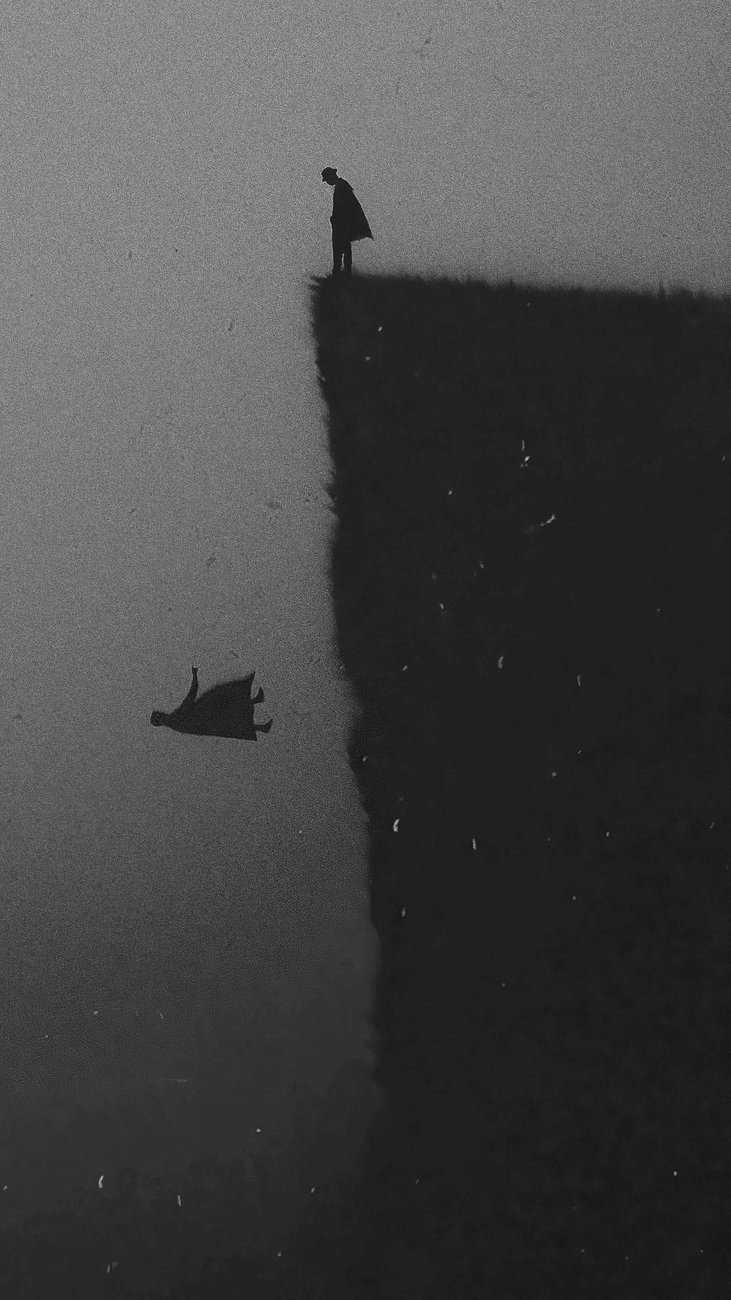
無處可逃,一個接一個墜落
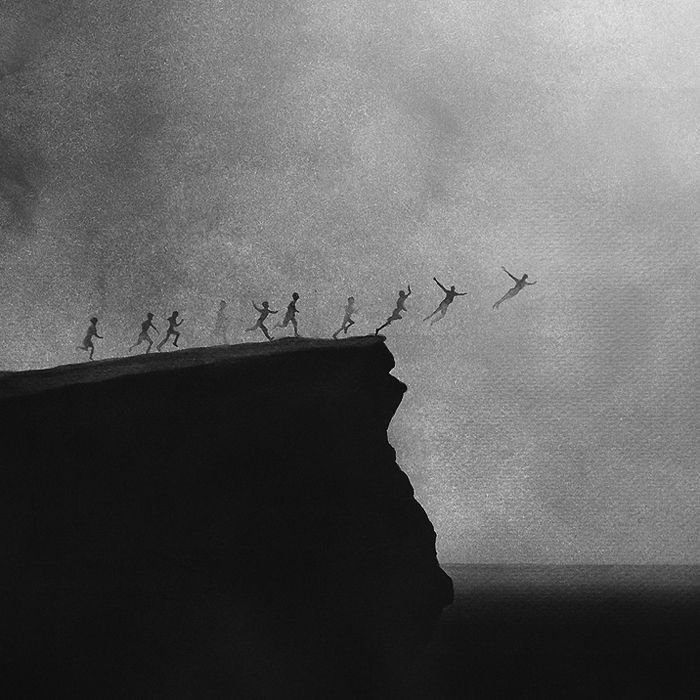
觀眾沒有停下,繼續往前逼近。到了懸崖邊,這些人影已經無處可逃,最靠邊緣的人影直接跨出邊界往下墜落,接著是下一個。
隨著觀眾一步步逼近,左右兩側和眼前的人影一個接一個從崖邊跳了下去,直到最後一道身影消失。觀眾走上前停在崖邊,腳邊的草還在強風裡伏倒,地面就在腳尖前方斷開。
Nowhere left to escape
The audience keeps moving forward without stopping. At the edge of the grassland, the entities have nowhere left to run. The closest figure steps off the cliff and falls, followed right away by the next.
As the audience closes the final distance, figures on both sides and directly ahead drop over the rim one by one until the last silhouette disappears. The audience steps up to the edge where they stood. Grass still bends against their ankles in the wind, and the ground ends sheer at the tips of their shoes.
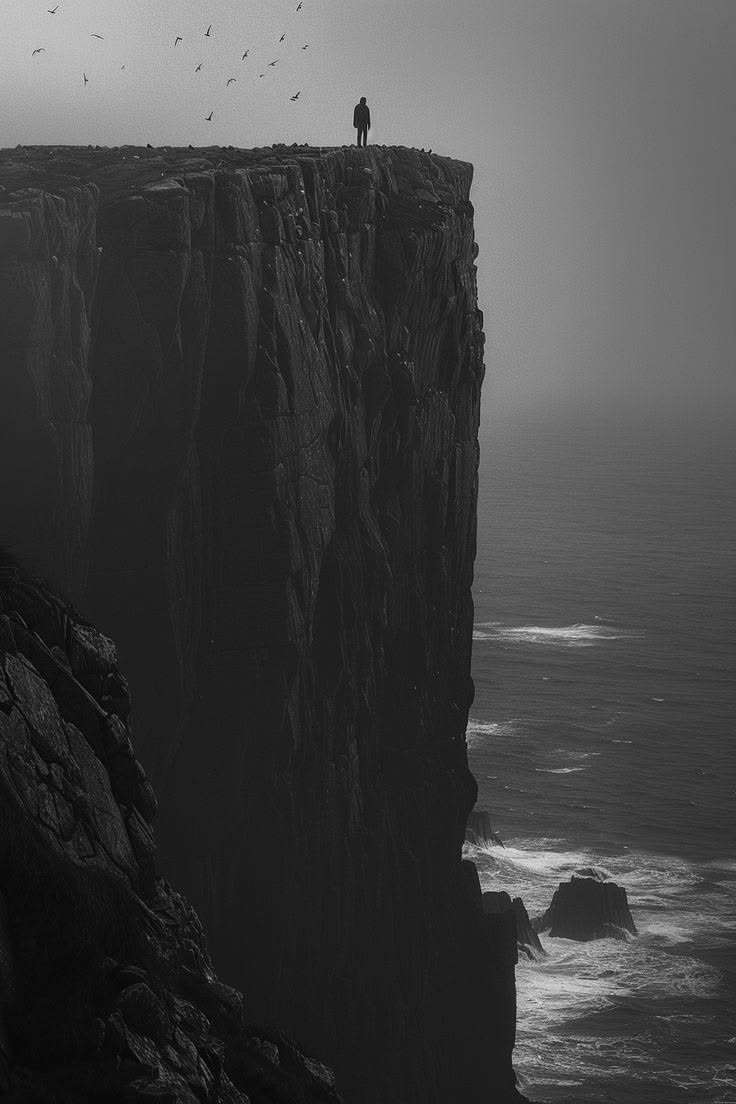
崖頂俯瞰與終極提問
觀眾站在大草原盡頭的懸崖邊往下看,強烈的震撼和反轉瞬間襲來。底下正是第三章 ORBIT 那道懸崖、先前走過的半腰窄路,以及同一片海岸線。海浪依舊不斷拍打崖腳,海面和岸邊載浮載沉著大量屍體,被潮汐一遍又一遍推到岸上。
在第三章時,觀眾站在半山腰看著上面有人往下墜,完全不明白發生了什麼事。直到此刻站在崖頂,才猛然看清這一切原來是自己一路往前逼近造成的結果,而那些曾讓自己害怕的人影,其實一直都在害怕觀眾。海浪還在把身體往岸邊送,三個終極問題就這樣留在原地沒有給出答案:我是不是也是從懸崖墜落的人之一?這一切是不是由我造成的?如果是,那我是不是也是那些人影之一?
Looking down from the top and the final questions
Standing on the cliff edge at the end of the grassland and looking straight down hits with sudden shock and reversal. Right below is the cliff from Chapter 3 ORBIT, the narrow mid-cliff ledge they walked earlier, and the exact same ocean coastline. Waves still slam into the base of the cliff and wash large numbers of floating bodies onto the shore again and again.
Back on the ledge in Chapter 3, the audience watched bodies fall from above without knowing why. Standing at the top now, they realize those falling figures were driven over the edge by their own steps, and that the entities they once feared were actually terrified of them. As waves keep pushing bodies toward the shore, three ultimate questions remain unanswered: Am I also the one falling down from the cliff? Am I the one causing this to happen? If so, am I also one of those figures?